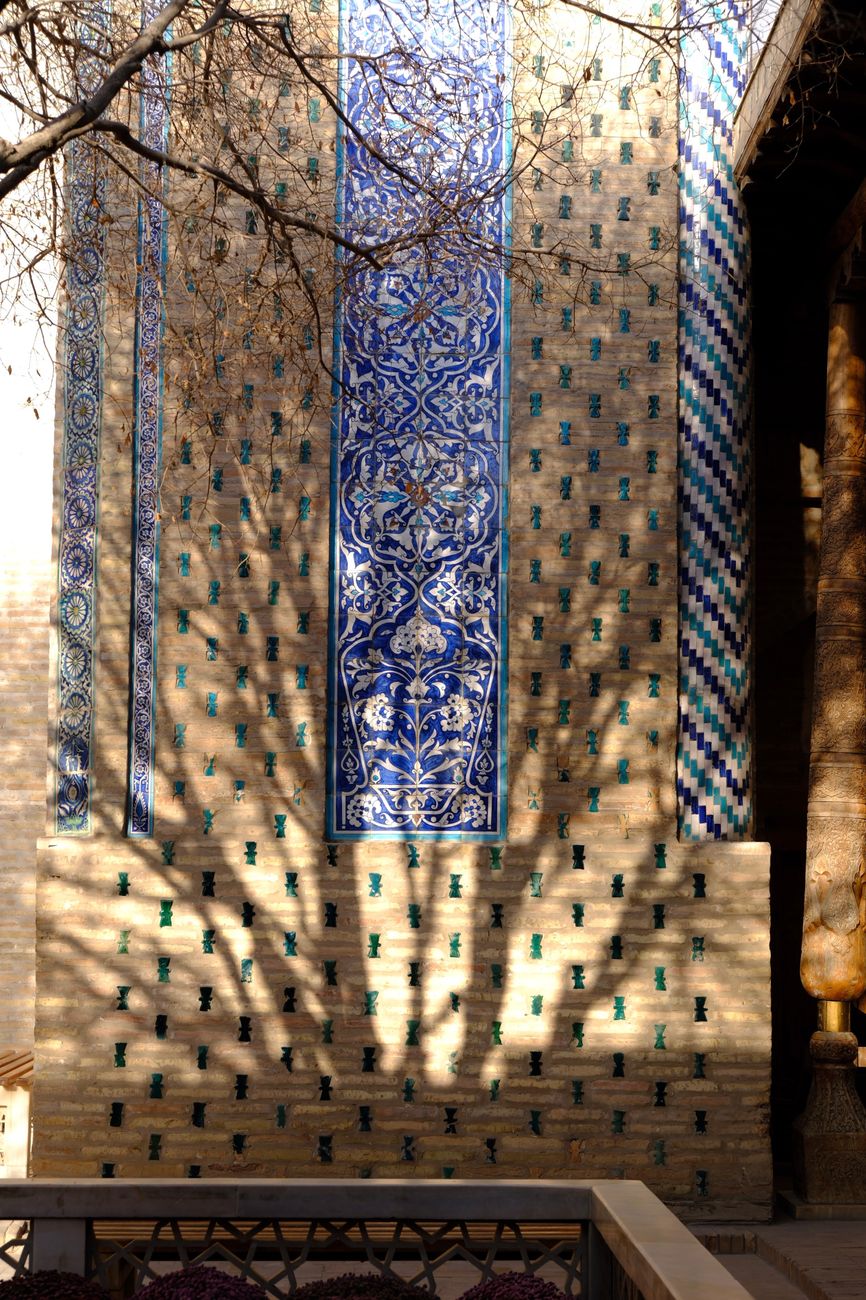
Bukhara is one of the oldest continuously-inhabited cities in Central Asia — settled by at least the 5th century BCE as a Sogdian oasis on the Zeravshan river. It became a major Islamic city under the Samanid dynasty (819–999), which made it their capital. The Samanid mausoleum, built around 914 CE for Ismail Samani, is one of the earliest surviving Islamic buildings anywhere and UNESCO calls it 'a jewel of 10th-century architecture'.
The Kalyan Minaret (1127) — 46 metres of tapered brickwork — was so impressive that Genghis Khan reportedly ordered it spared when he sacked the rest of the city in 1220. It is one of the very few Bukharan buildings that survived the Mongol assault intact.
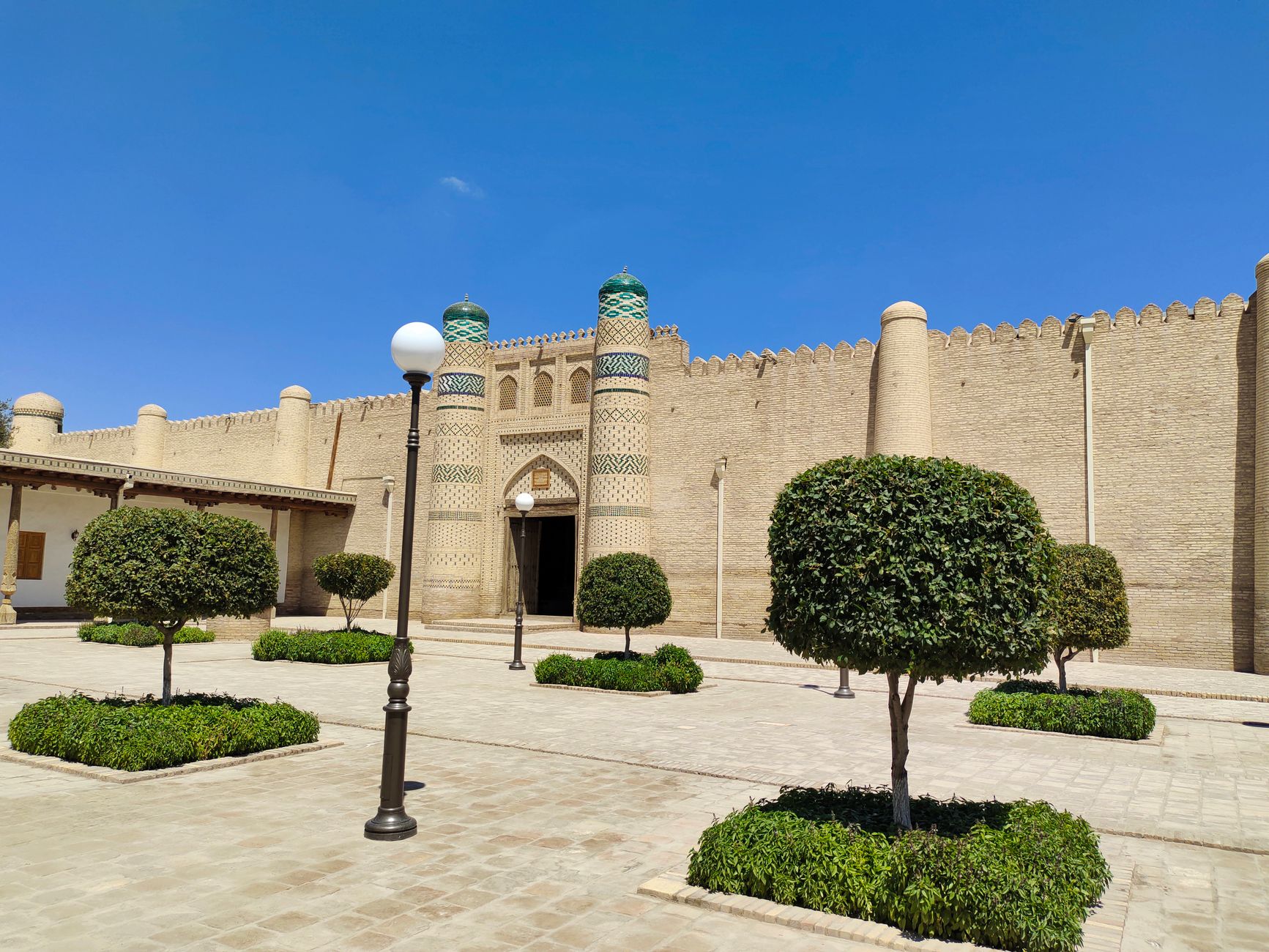
For most of the 16th–19th centuries Bukhara was the capital of the Emirate of Bukhara, a slave-trading and Sunni-scholarly power ruled from the Ark fortress in the city centre. Two British officers, Charles Stoddart and Arthur Conolly, were beheaded in the Ark's dungeon in 1842 — one of the sharpest episodes of the Great Game. Russian forces made Bukhara a protectorate in 1868; the last Emir fled in 1920 as the Red Army entered.