
Everything worth knowing about Uzbekistan
A comprehensive knowledge hub across seven pillars — planning, cities, history, people & culture, nature, the modern state, and quick facts. Every article carries an infobox, cross-links, and full source citations to UNESCO, the World Bank, IMF, Britannica, and primary academic literature.
Seven pillars, 39 articles
Click a card to jump to that section below.
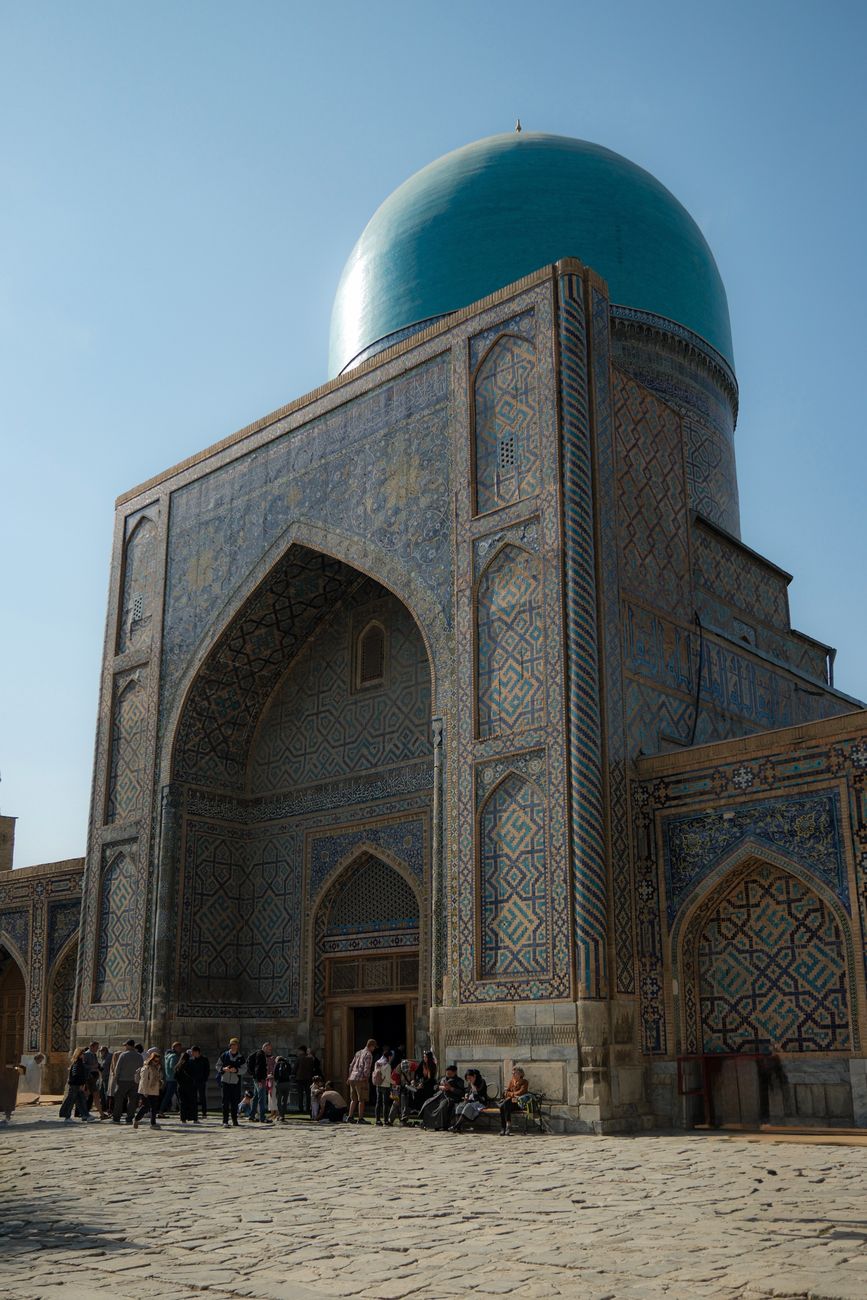 7 articles
Plan a trip
Visa, weather, money, itineraries, safety
Jump to section
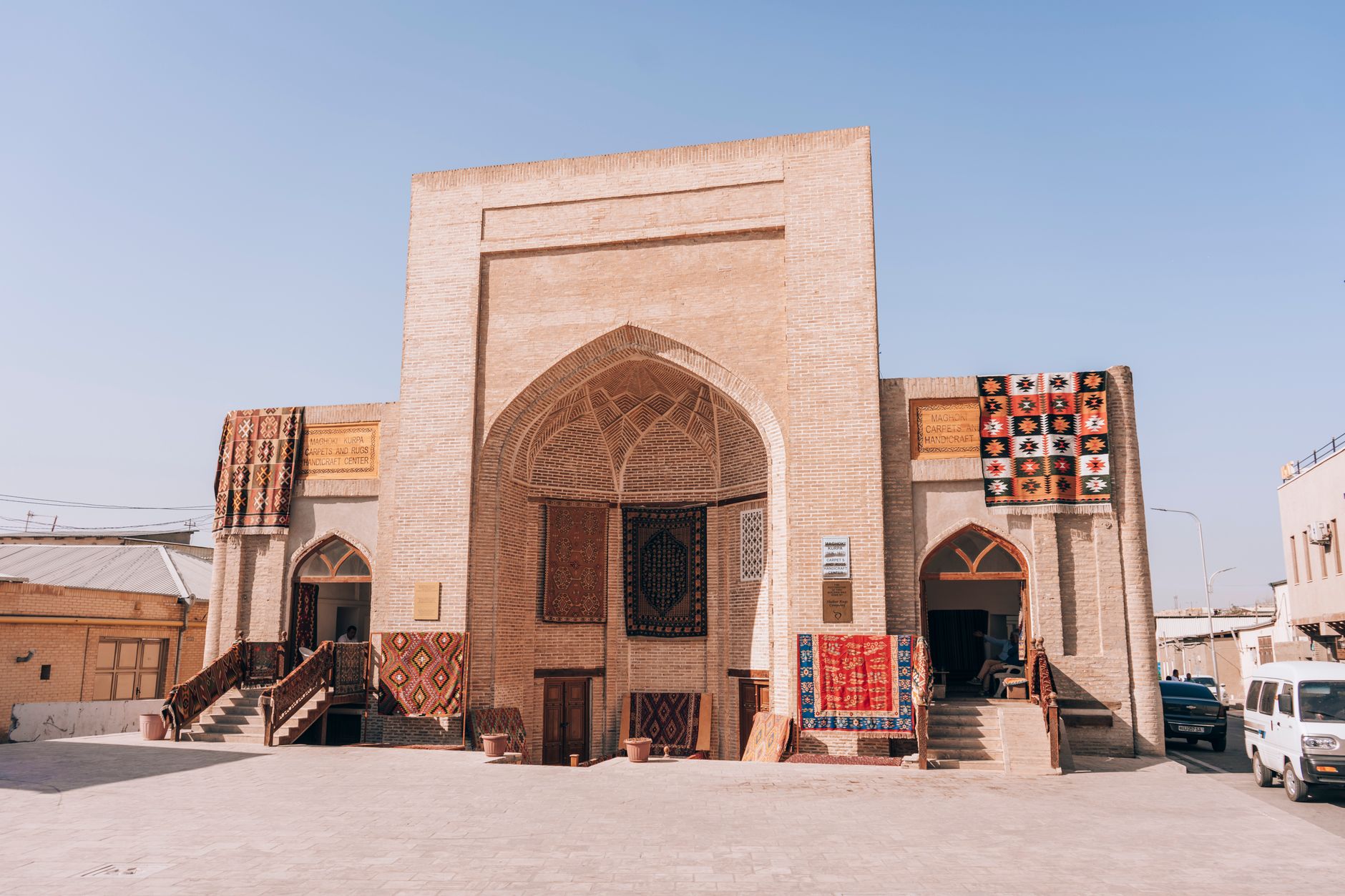 6 articles
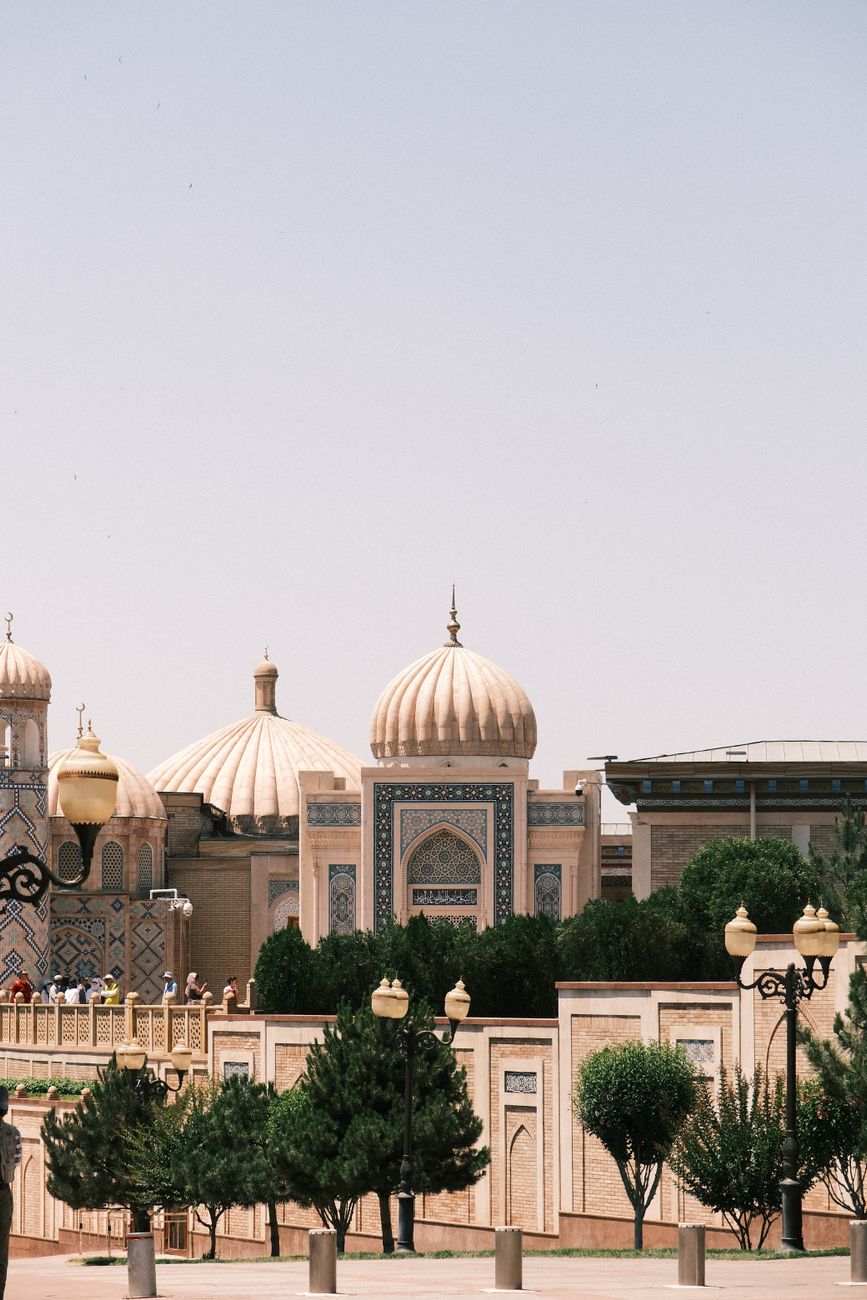
Cities & places
Samarkand · Bukhara · Khiva · Tashkent · Fergana
Jump to section
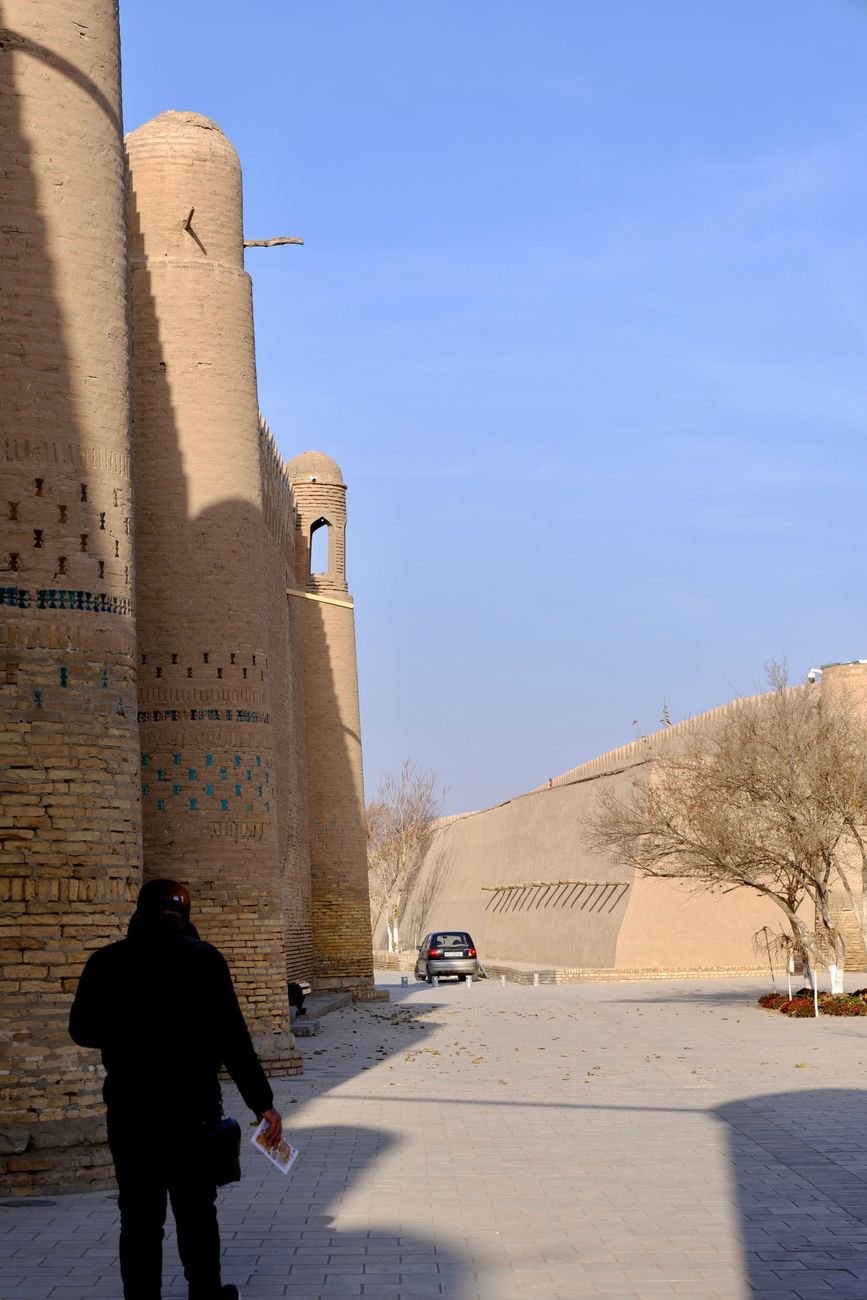 3 articles
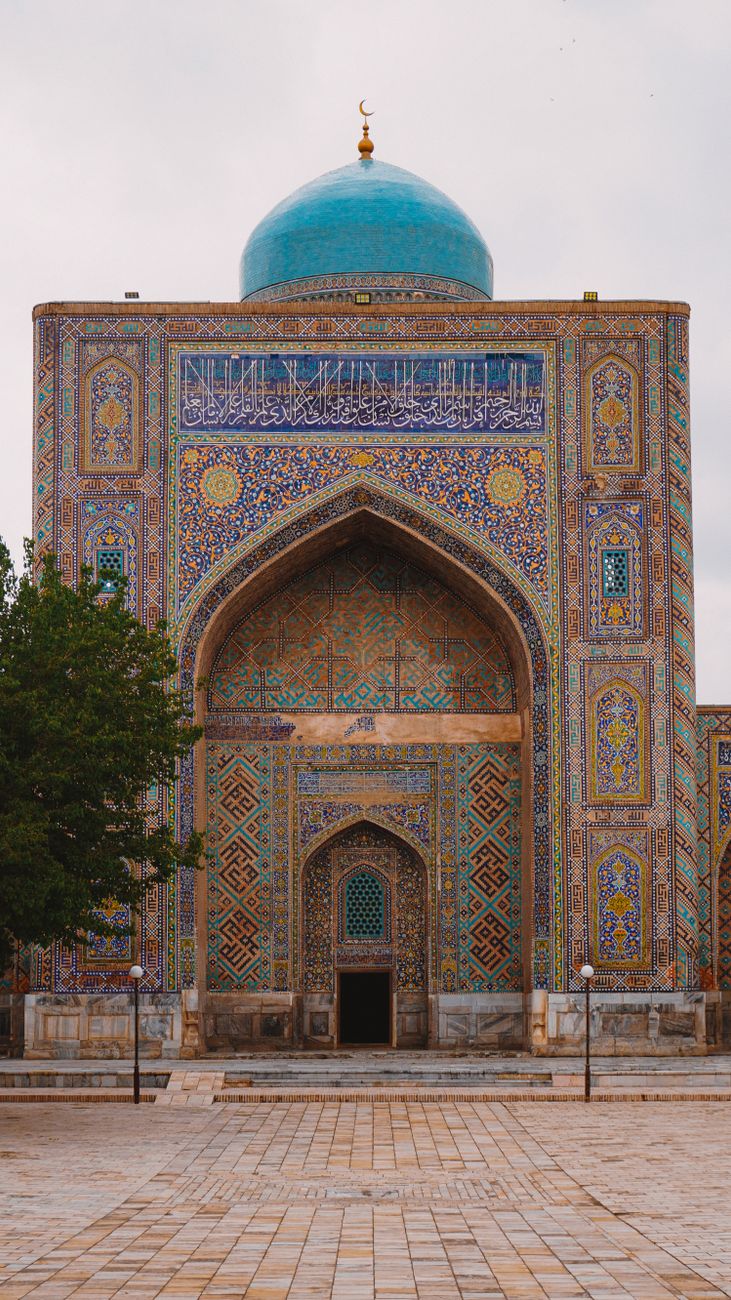
History
Sogdiana → Timur → Soviet → today
Jump to section
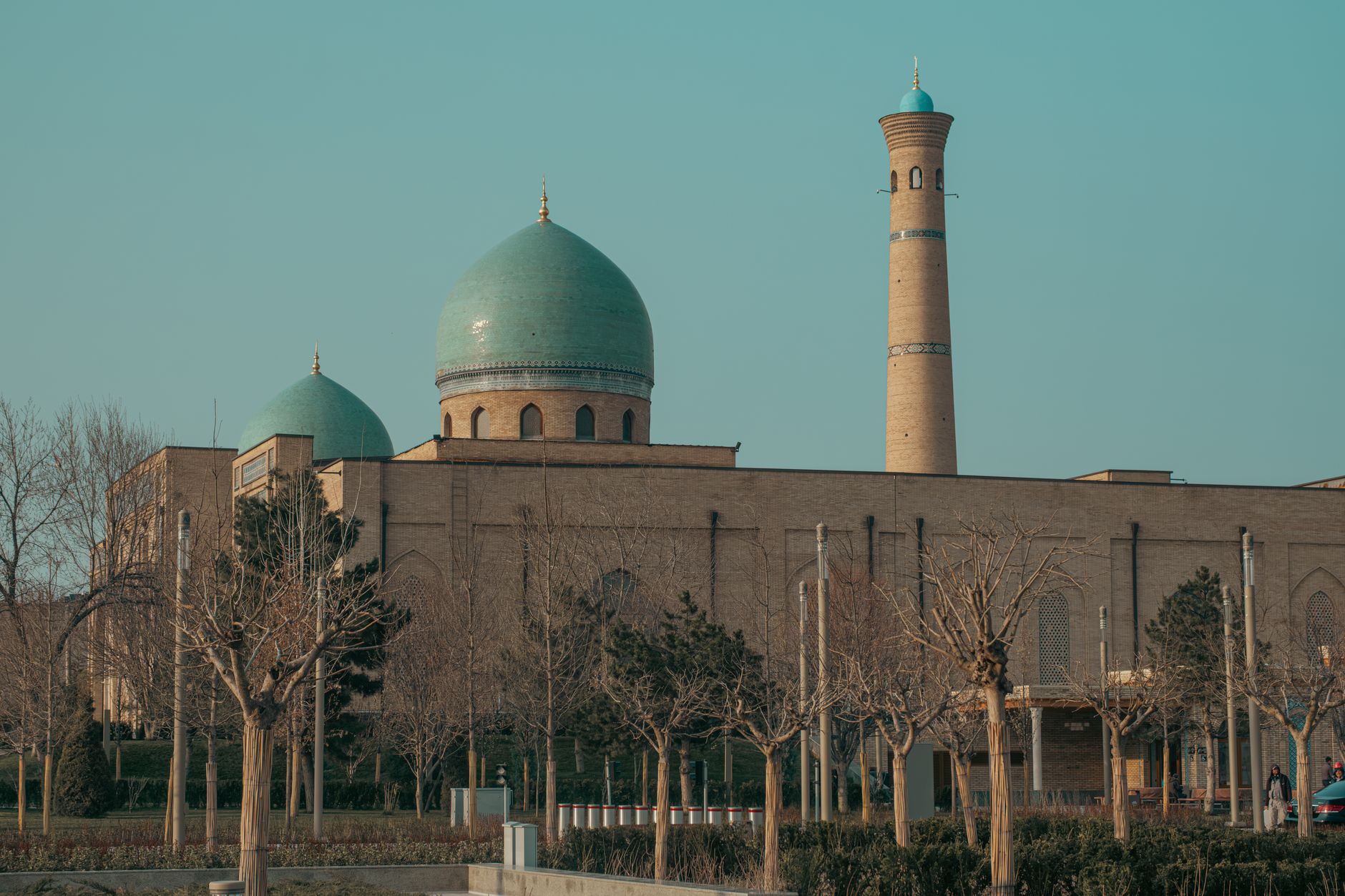 8 articles
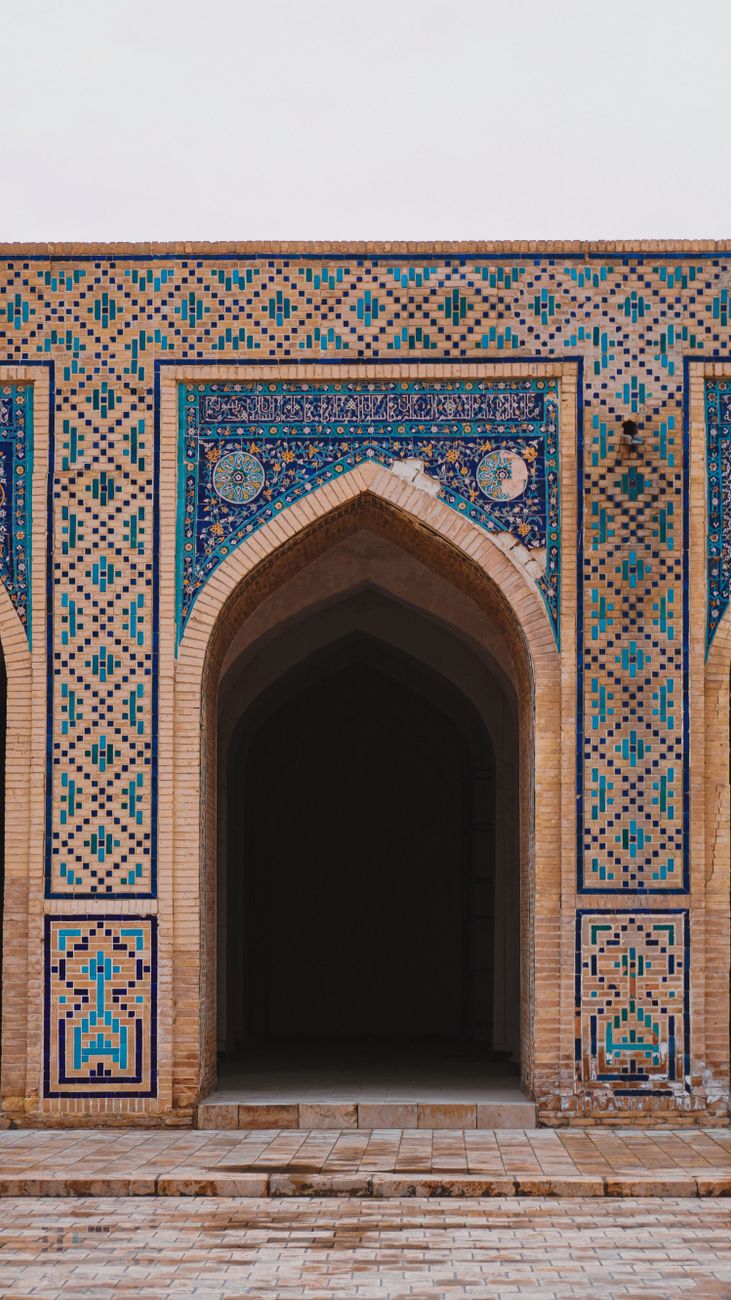
People & culture
Language, DNA, religion, food, mahalla
Jump to section
 2 articles
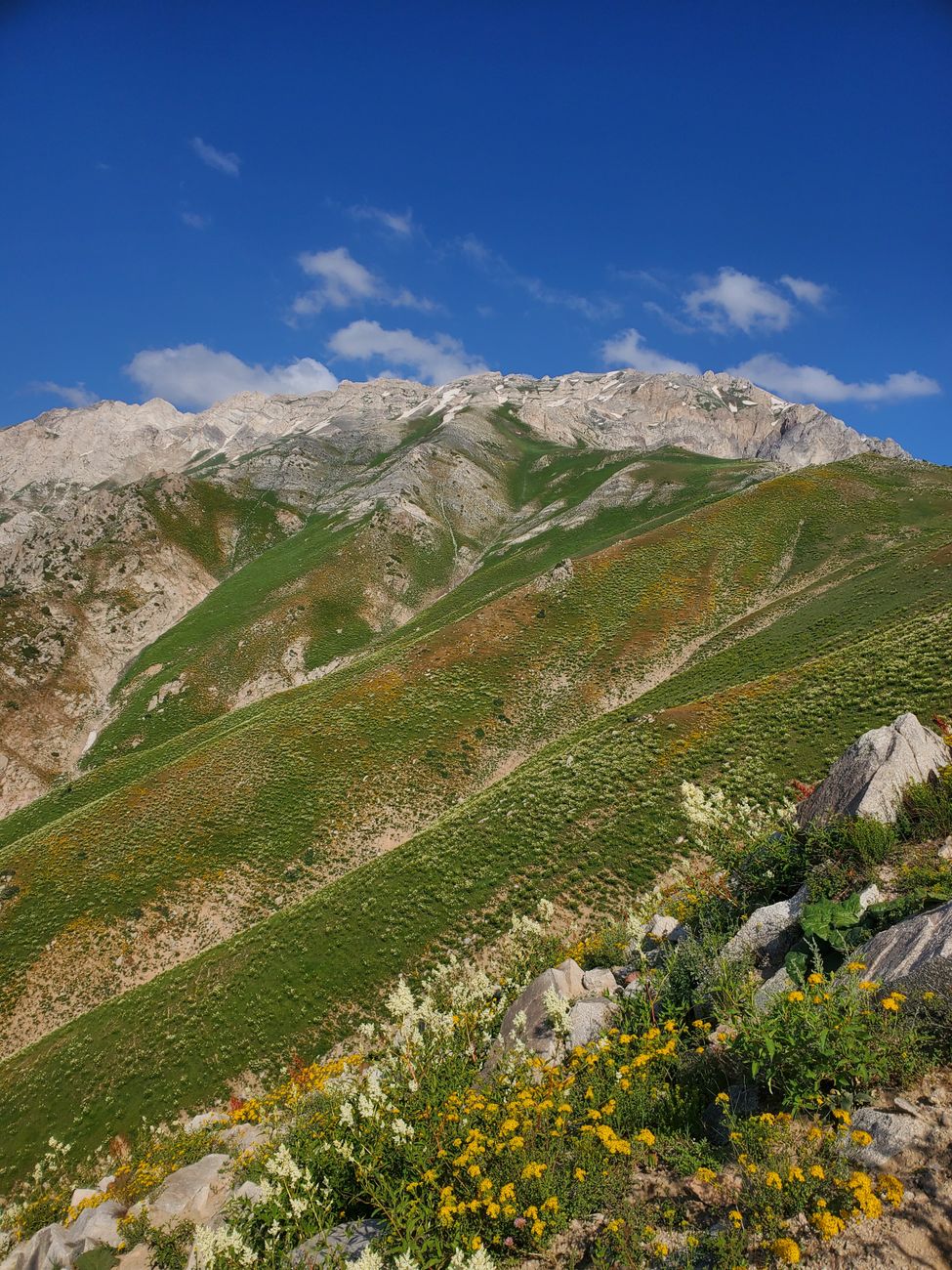
Nature & geography
Geography, deserts, climate, Aral Sea
Jump to section
 1 article
Modern Uzbekistan
Reforms, economy, IT Park, foreign relations
Jump to section
 12 articles
Quick facts
Quick answers, world rankings, superlatives
Jump to section
 9 destinations
Ready to go?
Explore destinations
Every city, valley and desert region we run trips to — with the highlights, when to visit, and a plan.
See all destinations
First-timers, returning travellers, and the deeply curious
A single hub for first-time visitors planning a Silk Road trip, returning travellers going deeper, students of Central Asian history, and anyone who wants to understand Uzbekistan beyond the tourism-brochure surface. Every article is standalone, richly cross-linked, and cites its primary sources.
- Long-form and in-depth
- Infobox + full citations
- Cross-linked across pillars
- Free to read, no login
- Updated regularly
- Written by locals
Looking for shorter, atomic entries instead? Browse the knowledge base →
Plan a trip
Everything you need before you go — visa, weather, transport, budget, itinerary and safety.
7 articles
Uzbekistan at a glance
Uzbekistan: everything a first-time visitor should know
A country of 37 million people, 2,500-year-old Silk Road cities, and the fastest-growing tourism destination in Central Asia.
6 min read10 sourcesClimate & seasons
Weather and when to visit Uzbekistan
Uzbekistan has a continental climate. Spring and autumn are magic; summer is fierce; winter is quiet and photogenic.
8 min read5 sourcesVisas & entry
Uzbekistan visa policy and entry requirements in 2026
Most Western passports enter Uzbekistan visa-free for 30 days. The rest of the world uses a 3-day online e-visa. Here is the full picture.
6 min read5 sourcesPractical guide
Getting around Uzbekistan: transport, money, safety and connectivity
The Afrosiyob fast train, four working domestic airports, a metro that doubles as a museum, and one of the safest countries in Central Asia.
6 min read4 sourcesTrip planning
Sample Uzbekistan itineraries: 7, 10 and 14 days
Three field-tested route plans covering the Silk Road classic, a Silk Road plus the Fergana Valley or the Aral Sea, and the full country loop.
7 min read3 sourcesMoney & costs
Uzbekistan travel costs and budgeting: what to spend per day
Realistic per-day budgets, price comparisons with the neighbours, and the practical details of money in Uzbekistan.
6 min read3 sourcesSafety, health & etiquette
Uzbekistan safety, health and etiquette for travellers
One of the safest countries in Central Asia, with a hospitality culture that quietly rewards attention to local customs.
6 min read4 sources
Cities & places
Deep-dives on Uzbekistan's four Silk Road cities, plus the Fergana Valley, Karakalpakstan, and Shakhrisabz.
6 articles
City deep-dive
Samarkand: 2,750 years of history, etymology, and monuments
Alexander the Great called it Marakanda in 329 BCE. Timur made it his imperial capital in 1370. Ulugh Beg measured the year to within a minute here in 1437. The Registan is still the noblest public square in Islamic architecture — 12 sections tracing everything Samarkand is and has been.
20 min read24 sourcesCity deep-dive
Bukhara: history, etymology, and interesting facts
2,500 years old, birthplace of Al-Bukhari and Ibn Sina, home to more than 140 protected monuments, and the most complete architectural ensemble on the Silk Road.
8 min read6 sourcesCity deep-dive
Khiva: history, etymology, and interesting facts
The walled inner city of Ichan Kala, first UNESCO site in Uzbekistan, and the most complete surviving medieval oasis city on the Silk Road.
7 min read5 sourcesCity deep-dive
Tashkent: history, etymology, and interesting facts
Central Asia's largest city (~3 million), a Soviet-modernist capital rebuilt after a 1966 earthquake, and — since 2016 — the reform-era gateway to Uzbekistan.
7 min read5 sourcesRegion deep-dive
Fergana Valley: history, cities, crafts and facts
Uzbekistan's fertile eastern bowl — home to Margilan silk, Rishton ceramics, Chust knives, and more than a third of the country's population.
7 min read5 sourcesRegion deep-dive
Nukus and Karakalpakstan: the desert republic and the Savitsky Museum
The autonomous republic in the north-west, home to one of the world's most extraordinary collections of Soviet avant-garde art and the front line of the Aral Sea disaster.
7 min read5 sources
History
Three thousand years of Sogdiana, Silk Road, Timurid Renaissance, khanates, Russian and Soviet rule, and the reform era.
3 articles
History
A short history of Uzbekistan — from Sogdiana to the New Uzbekistan
3,000 years compressed into fifteen minutes: Sogdiana, Alexander, Arab conquest, the Islamic Golden Age, Genghis Khan, Timur, the khanates, the Russians, the Soviets, and today.
12 min read6 sourcesSilk Road
The Silk Road in Uzbekistan: how the world's first world market ran through Samarkand
For 1,500 years the greatest overland trade network on Earth ran through what is now Uzbekistan. Its physical, cultural, and religious legacy is still the country's dominant story.
8 min read6 sourcesTimurid Renaissance
Timur, Ulugh Beg, and the Samarkand golden age
How a nomad warlord and his astronomer grandson built an empire, then filled its capital with the tilework and mathematics that made Uzbekistan look the way it does today.
8 min read6 sources
People & culture
The Uzbek language and its four alphabets, the population genetics of Central Asia, religion, food, crafts, and daily life.
8 articles
Culture & society
Culture and daily life in Uzbekistan
Hospitality, the mahalla, tea before business, and one of the strongest cultures of guest-honour anywhere in the world.
7 min read4 sourcesFaith
Religion in Uzbekistan: Islam, Sufism, and the country's minority faiths
About 88 per cent of Uzbeks are Sunni Muslims of the Hanafi school. But the religious history of this soil includes Zoroastrianism, Buddhism, Nestorian Christianity, Judaism, and the deepest Sufi tradition in the Muslim world.
8 min read6 sourcesFood & drink
Uzbek cuisine: plov, non, tea, and the food traditions of the Silk Road
The plov is famous, but a real week in Uzbekistan means samsa at breakfast, lagman for lunch, shashlik for dinner, and non on every table.
6 min read4 sourcesArts
Uzbek arts, crafts, music and literature
Silk, ceramics, miniatures, calligraphy, maqom music, and one of the world's foundational Turkic literary traditions.
8 min read6 sourcesLanguage
Languages and writing systems of Uzbekistan
Uzbekistan speaks 15+ living languages and has been written in more than ten scripts over 2,500 years. Uzbek — the world's second-most-spoken Turkic language after Turkish — has cycled through four alphabets in a single century.
16 min read20 sourcesPeople
Demographics and ethnicity: the peoples of Uzbekistan
About 37 million people, 100+ ethnic groups, a median age of 28, and the highest population growth rate in the region.
7 min read6 sourcesGenetics
The DNA of the Uzbeks: population genetics of Central Asia
Uzbeks sit genetically at the intersection of Western Eurasian and East Eurasian ancestries — a signature of thousands of years of Silk Road movement, Iranian farming, and Turkic-Mongol expansion.
9 min read5 sourcesFestivals & holidays
Festivals, holidays and the annual calendar of Uzbekistan
Navruz on 21 March, Independence Day on 1 September, Eid twice a year, and a dozen smaller regional festivals — the Uzbek calendar rewards a well-timed visit.
6 min read5 sources
Nature & geography
Geography, climate, wildlife, and the Aral Sea disaster.
2 articles
Geography & nature
Geography, nature, and climate of Uzbekistan
One of two doubly-landlocked countries on Earth. Two great deserts, one collapsed sea, one mountain range on the UNESCO natural heritage list, and 5,000 years of irrigated oasis civilisation in between.
8 min read6 sourcesEnvironment
The Aral Sea disaster: history, current state, and how to visit
Once the world's fourth-largest inland lake, the Aral Sea has shrunk to less than 10 per cent of its 1960 volume — one of the most severe man-made ecological disasters of the 20th century.
8 min read7 sources
Modern Uzbekistan
Economy, reforms, foreign relations, and the state of Uzbekistan today.
1 article
Quick facts
The one-line answers to the questions most travellers and researchers ask.
12 articles
Quick facts
Uzbekistan quick facts: 40 answers in 40 lines
The one-line answers to the questions most travellers, researchers and search engines actually ask about Uzbekistan.
8 min read3 sourcesLittle-known facts
60 little-known facts about Uzbekistan
The country that gave the world algebra, holds the tomb of Timur, and cooks 12,000 servings of plov a day — and 57 other things travellers rarely arrive knowing.
17 min read22 sourcesGeography
Why Uzbekistan is one of only two doubly-landlocked countries on Earth
To reach an ocean from Tashkent you must cross at least two international borders in any direction. The only other country with this distinction is Liechtenstein.
5 min read4 sourcesHistory & Science
The Islamic Golden Age scholars born in Uzbekistan
Al-Khwarizmi gave us 'algorithm' and 'algebra'. Al-Bukhari compiled Sunni Islam's most authoritative hadith. Ibn Sina's medical textbook was used in Europe for 600 years. All were born on Uzbek soil.
8 min read5 sourcesHeritage
The five UNESCO World Heritage Sites of Uzbekistan
Uzbekistan holds five UNESCO World Heritage Sites — the most of any Central Asian country, tied with Kazakhstan. All five are cultural sites; four are Timurid Silk Road cities.
8 min read5 sourcesTrade
The Silk Road: origins, merchants, and what actually moved along it
The name 'Silk Road' is only 148 years old. The road itself ran through Uzbekistan for 1,500 years before anyone had named it. It moved paper, mathematics, and religions as much as silk.
7 min read4 sourcesSuperlatives
Uzbekistan's world rankings: uranium, gold, cotton, and other superlatives
5th world producer of uranium, 7th of gold, 6th of cotton, most populous country in Central Asia, and one of only two doubly-landlocked countries. A tour of the global rankings.
5 min read4 sourcesFood
Plov, non, and the food facts of Uzbekistan
Uzbek plov is on the UNESCO Intangible Heritage list. There are 20+ regional recipes. One Tashkent restaurant cooks 12,000 servings a day. The bread has a unique stamp for every city.
6 min read2 sourcesCulture
Uzbek culture, etiquette, and the mahalla system
There are ~9,000 mahallas across Uzbekistan — each a self-governing neighbourhood. Bread is sacred. Shoes come off indoors. And the tea etiquette will trip you up.
6 min read2 sourcesOff-the-beaten-path
The extraordinary places most tourists miss in Uzbekistan
The ship graveyard at Muynak. Bronze Age cisterns still holding water. 3,500-year-old petroglyphs. A 2,300-year-old desert fortress. Six sites off the standard Silk Road circuit.
6 min read3 sourcesModern era
Modern Uzbekistan: reforms, visa-free travel, and reinvention
Since 2016, Uzbekistan has opened its borders, floated its currency, liberalised visas for 90+ nationalities, and become the third-fastest-growing tourism destination in Asia. A tour of the reform era.
6 min read5 sourcesEnvironment
Muynak and the Aral Sea ship graveyard
The world's fourth-largest lake shrunk by 90% in 60 years. The fishing port of Muynak now sits 150 km from open water. Rusting Soviet trawlers stand on the dunes as monuments.
5 min read3 sources