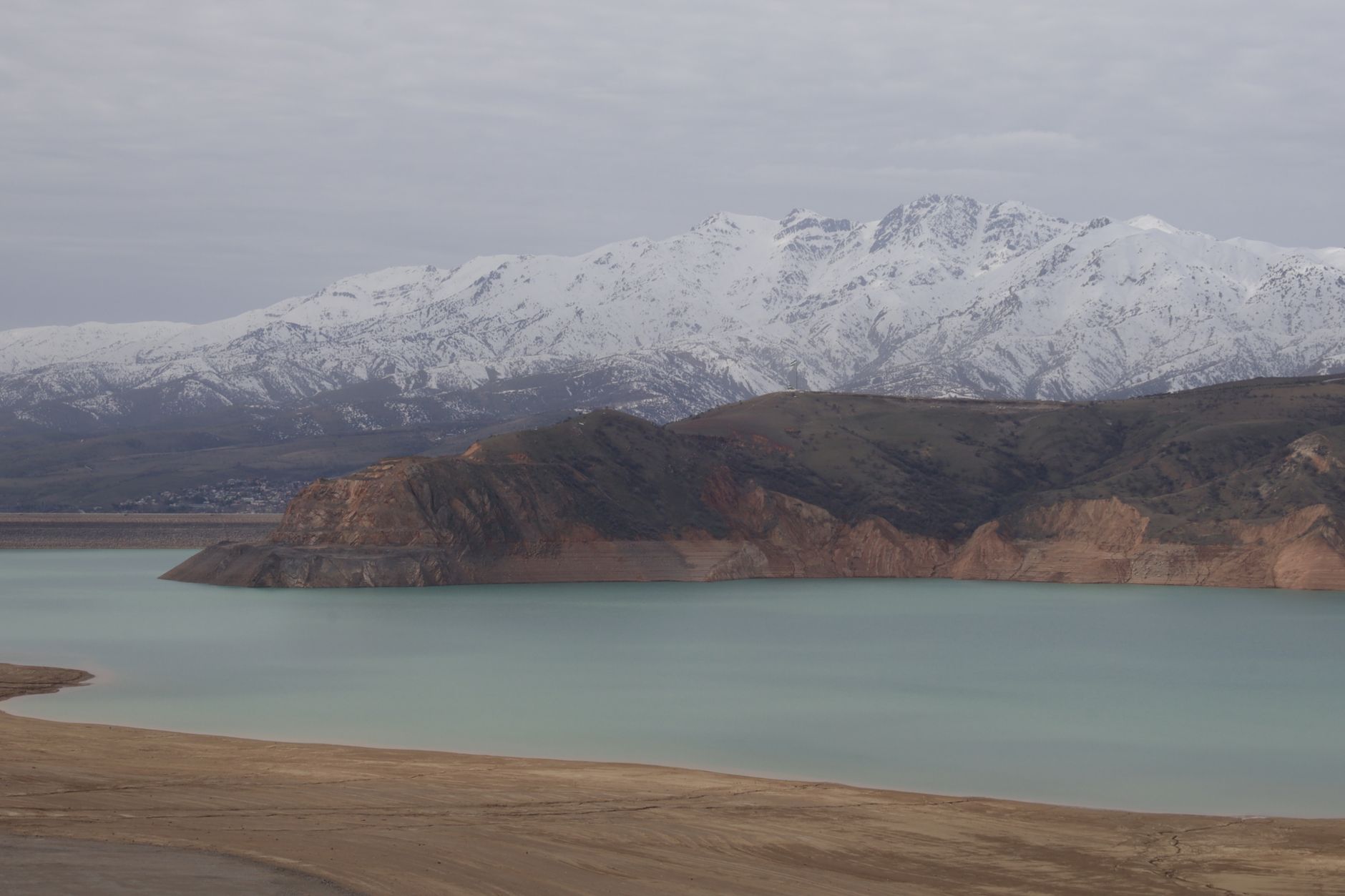
The town of Nurata sits at the foot of the Nurata range, a low band of hills separating the Kyzylkum desert from the Zeravshan valley. Alexander the Great campaigned through here in 327 BCE and reportedly built a fortress on the northern edge of the town — the ruins on the hill above Chashma spring are traditionally identified as its foundations.
The Chashma spring below the fortress is one of Central Asia's oldest continuously-venerated sacred sites: a natural spring pool with sacred marinka fish, a mosque built around it in the 16th century, and pilgrims coming for baraka (blessings) for at least a millennium.
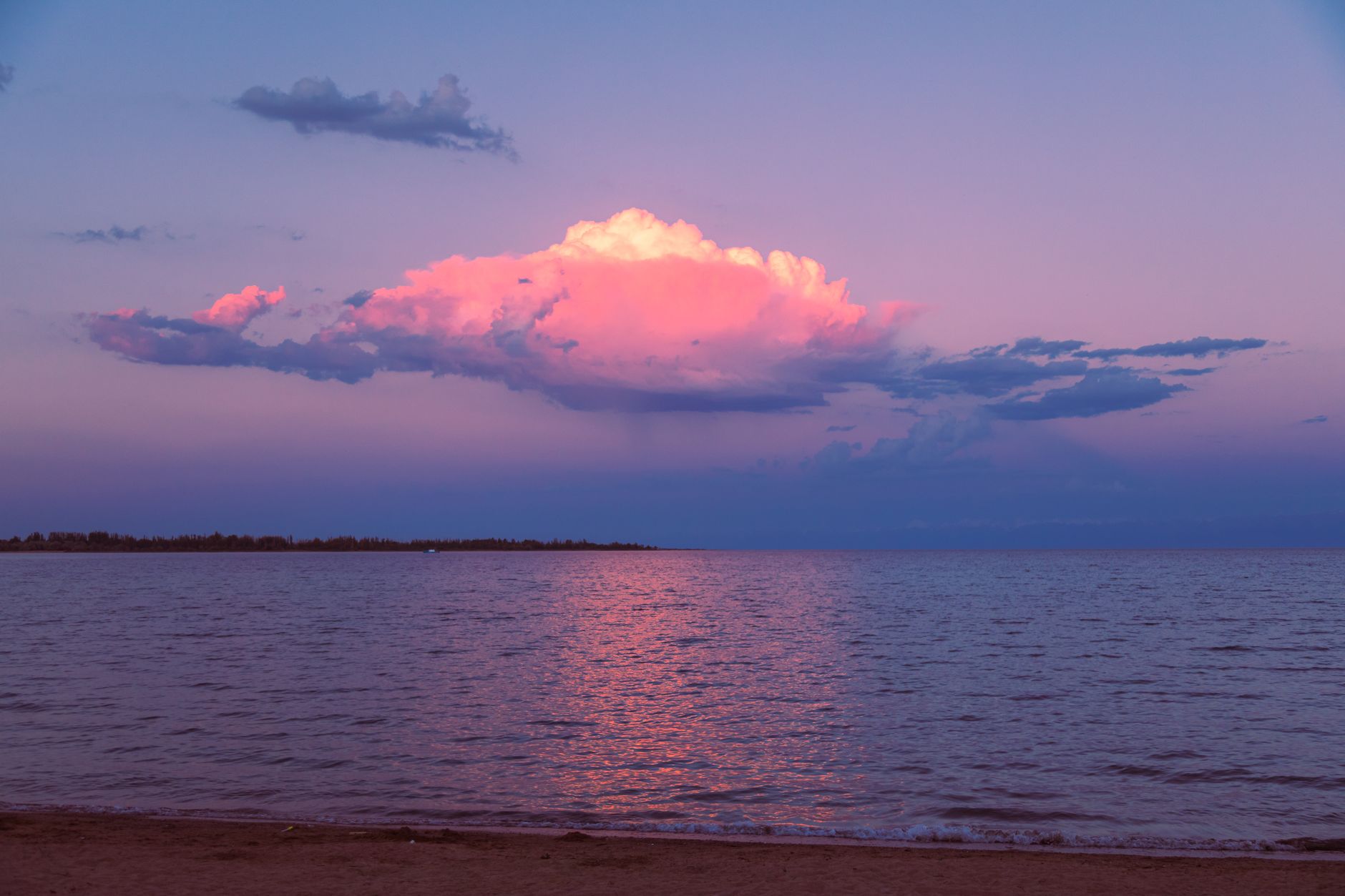
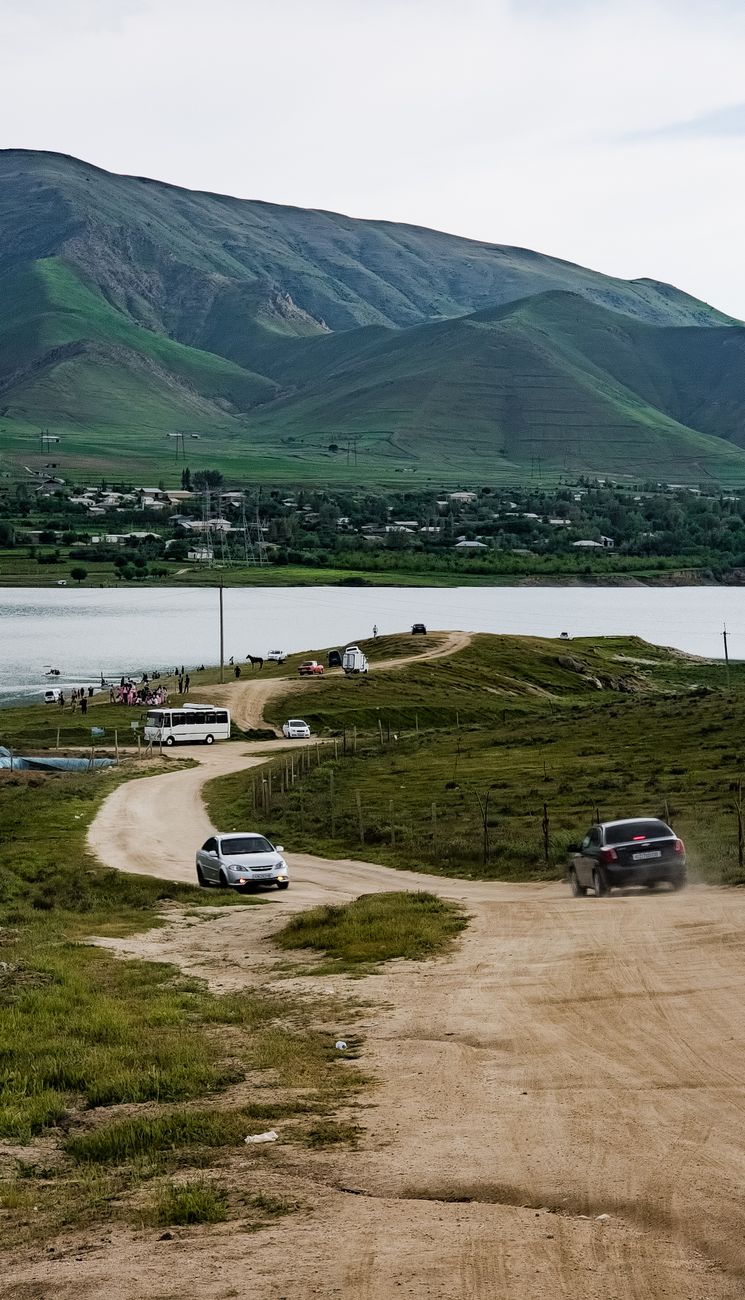
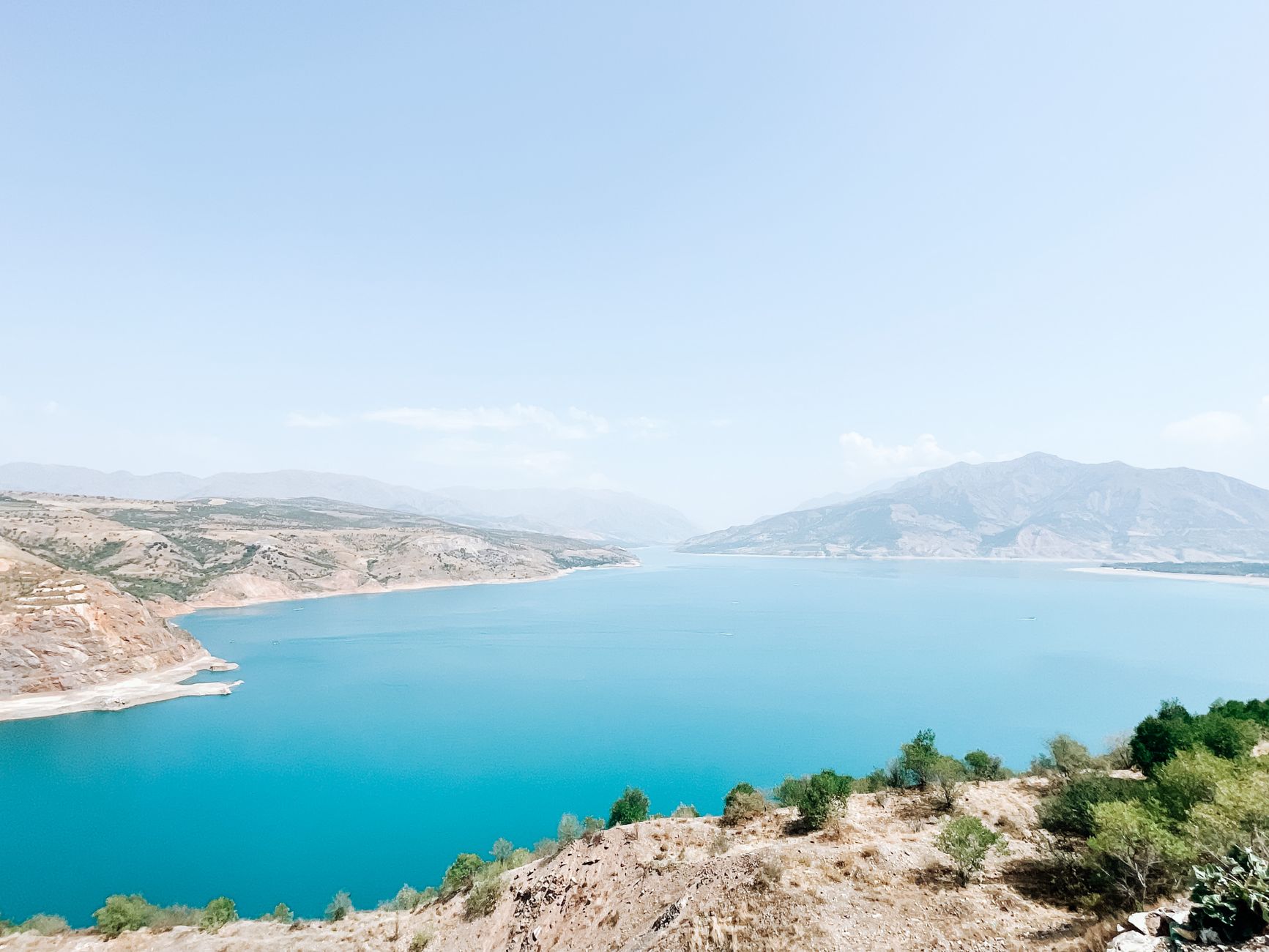
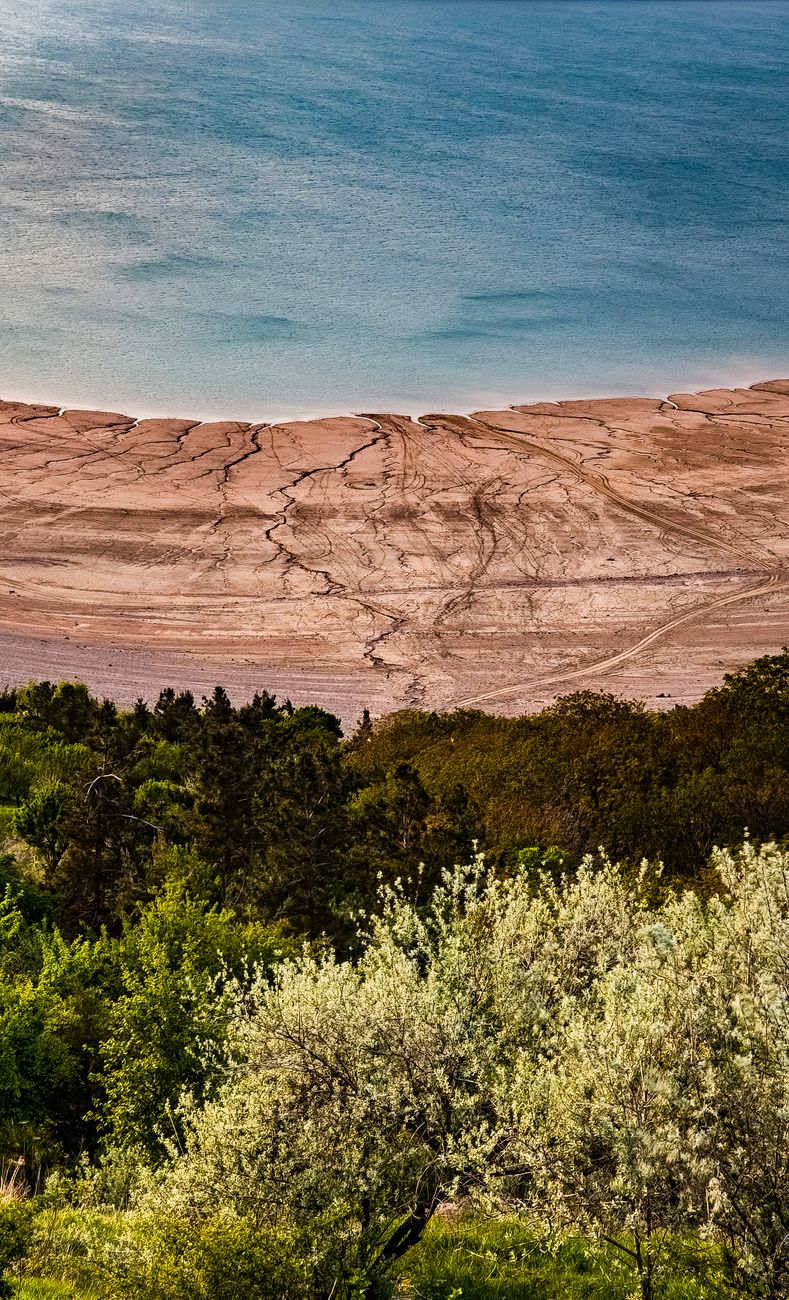
Lake Aydarkul, thirty kilometres north of Nurata across the desert, is much younger — 1969 vintage. Soviet engineers building the Chardara reservoir on the Syr Darya released a controlled overflow into a natural depression in the Kyzylkum. The depression filled and never fully drained. Fifty-five years later it is Central Asia's largest artificial lake and the improbable centre of a small tourism economy.