Skip to content

Shakhrisabz

The 'Green City' where Timur was born

Kashkadarya·Kashkadarya · Timur's birthplaceUNESCO
About Shakhrisabz

The 'Green City' where Timur was born

Two hours south of Samarkand and over the Takhtakaracha pass sits Shakhrisabz, Timur's home town. What remains of Ak-Saray — his so-called 'White Palace' — is two 38-metre portal towers still tiled in geometric blue. The rest of the city has been cleared into a modern promenade, which makes the ruins loom even more powerfully.

Quick facts
Ancient name
Kesh (Kish)
Founded
c. 700 BCE
Timur born here
9 April 1336
UNESCO inscription
Historic Centre, 2000
From Samarkand
90 km · 2 h by car
Ak-Saray towers surviving
38 m of a planned 65 m
The story

A short history of Shakhrisabz

The town called Kesh in antiquity was already an important Sogdian settlement in the Achaemenid period. It sat astride the caravan route between Samarkand and Balkh (northern Afghanistan) and had its own local dynasty from Hellenistic times through the Sasanid Persian period.

In 1336 Timur — Tamerlane — was born to a minor Barlas noble family in the village of Khoja Ilgar just outside the city. He never made Kesh his capital (Samarkand claimed that honour after 1370), but he lavished it with monuments: the Ak-Saray palace, designed to be the largest in the known world; the Dorussaadat mausoleum complex where he originally intended to be buried; and the Dorut Tilovat family shrine.

The Ak-Saray was the largest palace project ever begun in the Timurid world. Contemporary Castilian ambassador Ruy González de Clavijo, who saw it in 1404, described the entrance towers as taller than any European steeple. Only the front gate survives — two 38-metre tiled columns of what were once 65-metre towers, framing what would have been a 40-metre entrance arch.

Places to visit

What to see in Shakhrisabz

A curated list of the sights that matter, with a note on when to go and what most visitors miss.

UNESCO ruin

Ak-Saray palace towers

Two 38-metre tiled portal towers, all that survives of the palace Timur designed to be the largest in the world. The inscription on the surviving iwan reads: 'If you challenge our power, look at our buildings.' Restoration ongoing since 2000.

Royal shrine

Dorut Tilovat complex

The 'House of Meditation' — a Timurid shrine complex containing the tomb of Timur's father Amir Taragay, plus the Kok Gumbaz ('Blue Dome') mosque built by Ulugh Beg in 1437. Beautifully restored, quietly overlooked.

Original tomb complex

Dorussaadat complex

The mausoleum complex where Timur originally intended to be buried — and where his eldest son Jahangir actually is. Only fragments remain: the Jahangir mausoleum and an underground crypt that once held Timur's carved sarcophagus.

Blue-domed Friday mosque

Kok Gumbaz Mosque

Commissioned by Ulugh Beg for his grandfather in 1437, this is the largest Friday mosque of the Timurid period surviving in situ — 46-metre span, distinctive blue melon-dome.

19th-c madrasa

Chubin Madrasa

Post-Timurid; a small madrasa preserved as a museum of Kashkadarya cultural artefacts. Useful for context after the ruins.

Modern statue

Amir Timur monument

An equestrian statue of Timur in the town's central plaza — post-independence, unashamedly heroic, always draped in flowers by pilgrims.

Little-known facts

Facts about Shakhrisabz you won't find elsewhere

  1. Timur was born in Shakhrisabz on 9 April 1336. His body was returned here after his death on the 1405 China campaign — but Uzbek engineers found the tomb had subsided and reburied him in Samarkand's Gur-e-Amir instead.

  2. The Ak-Saray's surviving entrance towers are 38 metres tall today — but were originally planned to reach 65 metres, which would have made them the tallest freestanding structures in Central Asia when built.

  3. 'Shakhrisabz' is Persian for 'Green City' — reflecting the town's abundant water supply from the Aksu river and its unusually verdant orchards for a Central Asian setting.

  4. The Dorussaadat complex contains a small underground crypt where Timur's original sarcophagus was placed. It was reopened by archaeologists in 1943 and found to be empty — Timur had already been moved to Gur-e-Amir in 1405.

  5. The Kok Gumbaz mosque (1437) has a 46-metre span dome that remains the largest surviving Timurid dome in situ (the Bibi-Khanym larger one being partly restored).

  6. Shakhrisabz is often called 'Timur's other Samarkand' — but a Samarkandi will tell you Timur built there because he couldn't get Samarkand to look this good yet.

Plan the visit

How to visit Shakhrisabz

Getting there

By road from Samarkand: 90 km, 2 hours, over the 1,675 m Takhtakaracha pass. Shared taxi from Samarkand bazaar area: ~$15 per seat. Private car with driver from Samarkand: $40–60 for the day. No direct train.

How long to stay

A day trip from Samarkand is enough for most visitors — leave early, spend 3–4 hours in town, back in Samarkand by dinner. Serious history buffs stay one night at the small boutique guesthouses near Ak-Saray.

When to visit

March–May and September–October. The Takhtakaracha pass can close briefly in winter after heavy snow (rare). Summer at 35 °C+ makes the exposed Ak-Saray plaza uncomfortable by midday.

Photo gallery

A curated set of 10 photographs of Shakhrisabz — architecture, streets, landscape and everyday life on the ground.

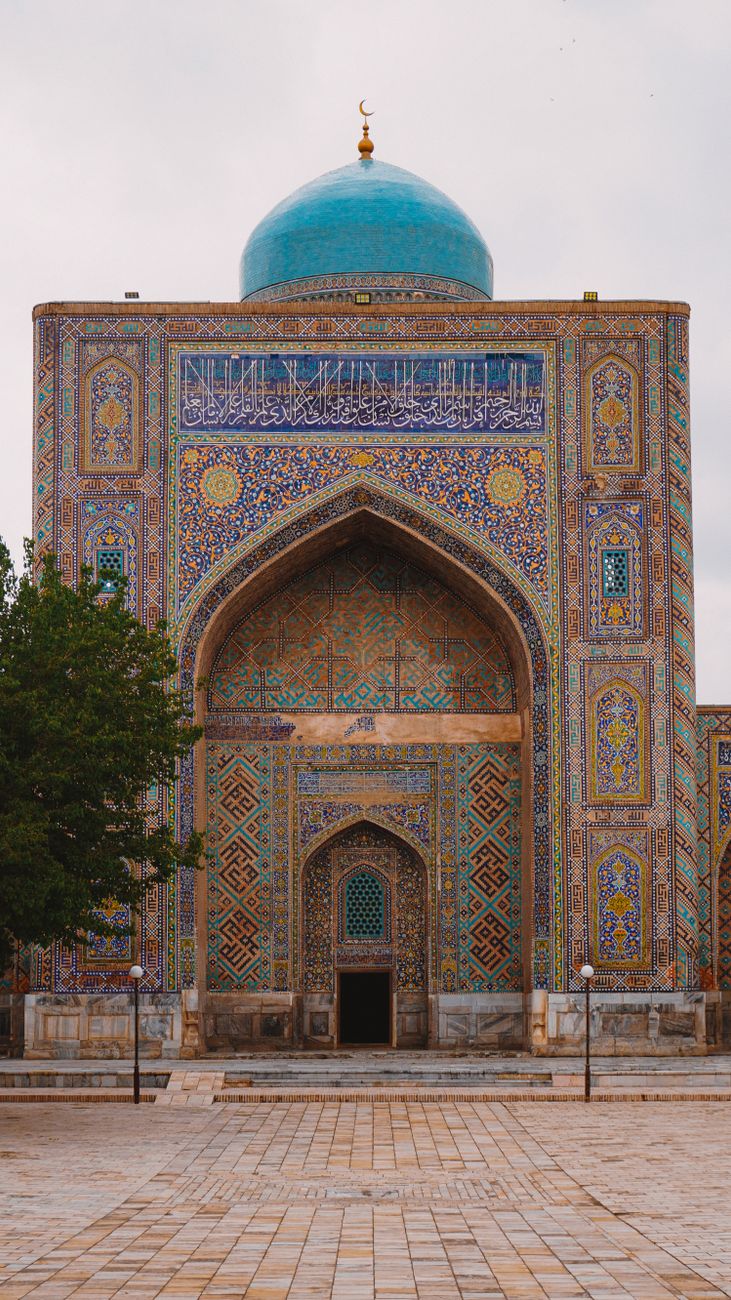
  • Intricate architectural facade of a mosque in Samarkand, showcasing rich patterns and a prominent turquoise dome · Shakhrisabz, Uzbekistan© Ahmet Hilmi Ermiş
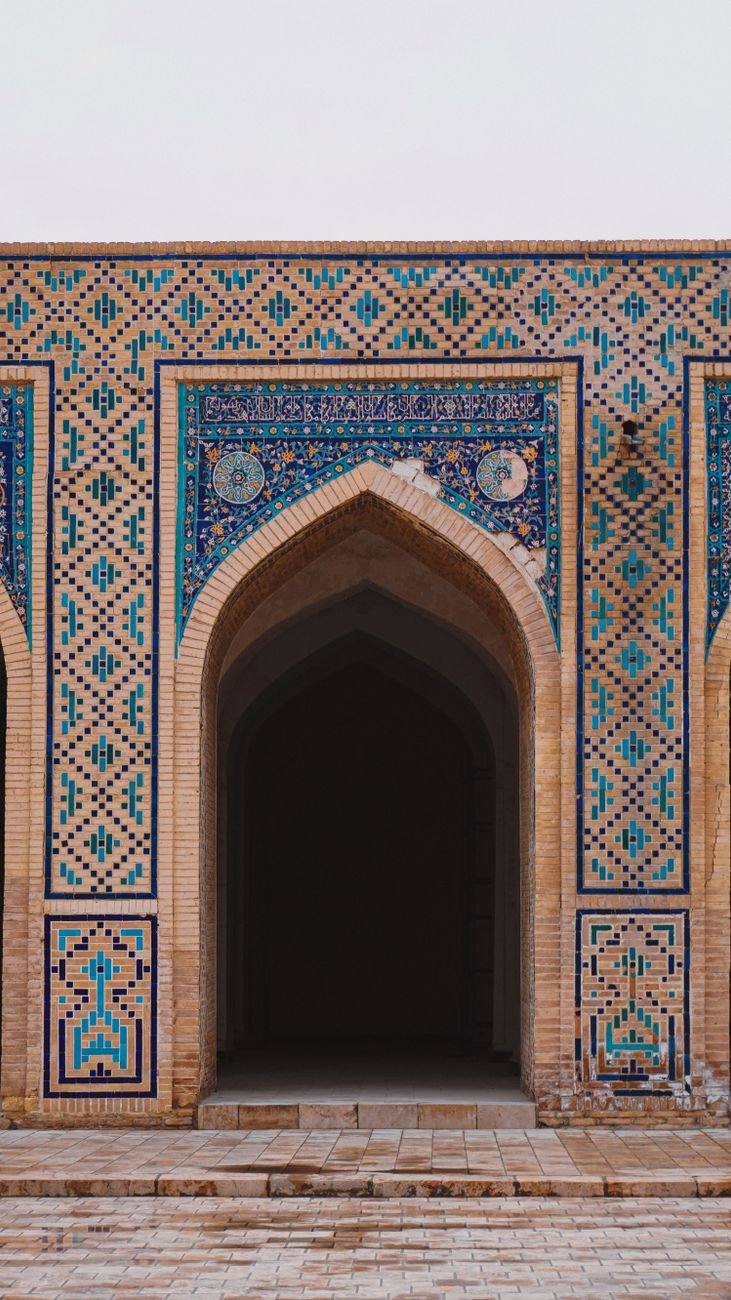
  • Stunning mosaic tile patterns on a historic Bukhara building, showcasing Islamic architecture · Shakhrisabz, Uzbekistan© Ahmet Hilmi Ermiş
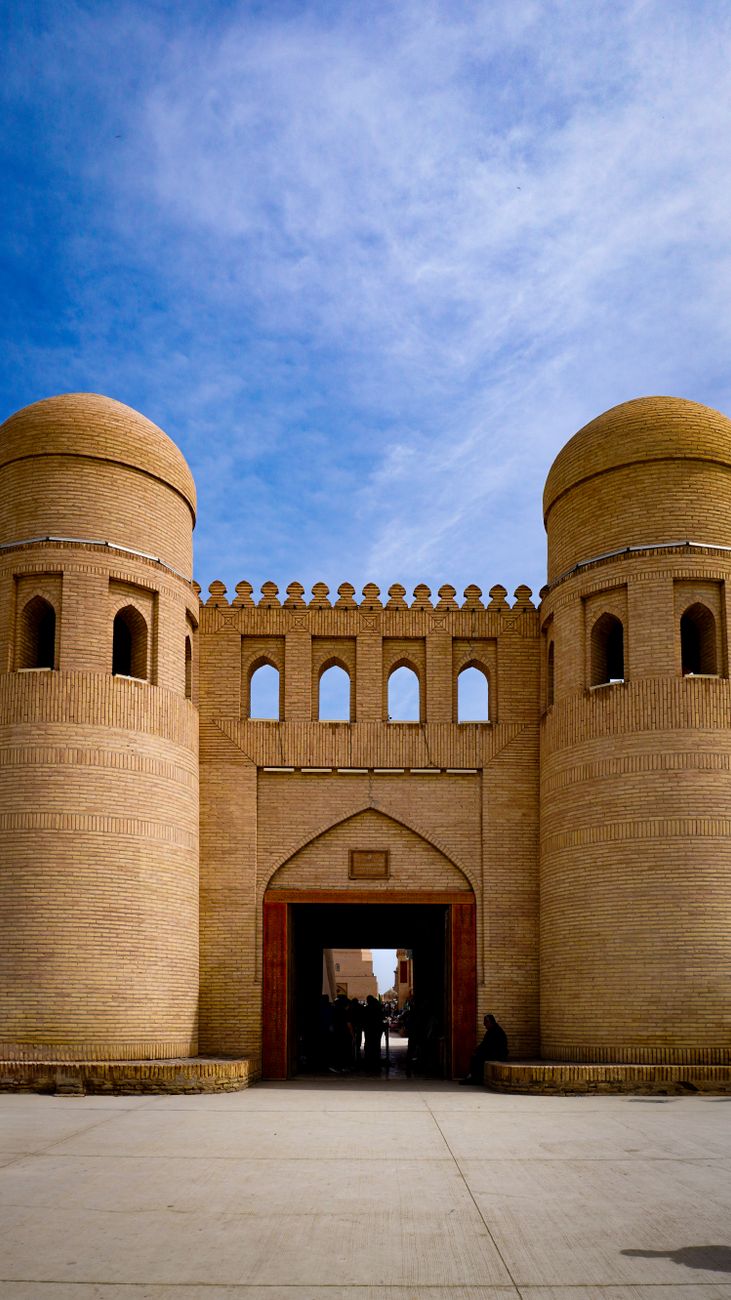
  • Grandeur of Itchan Kala's ancient walls in Khiva, Uzbekistan on a sunny day · Shakhrisabz, Uzbekistan© Ahmet Hilmi Ermiş
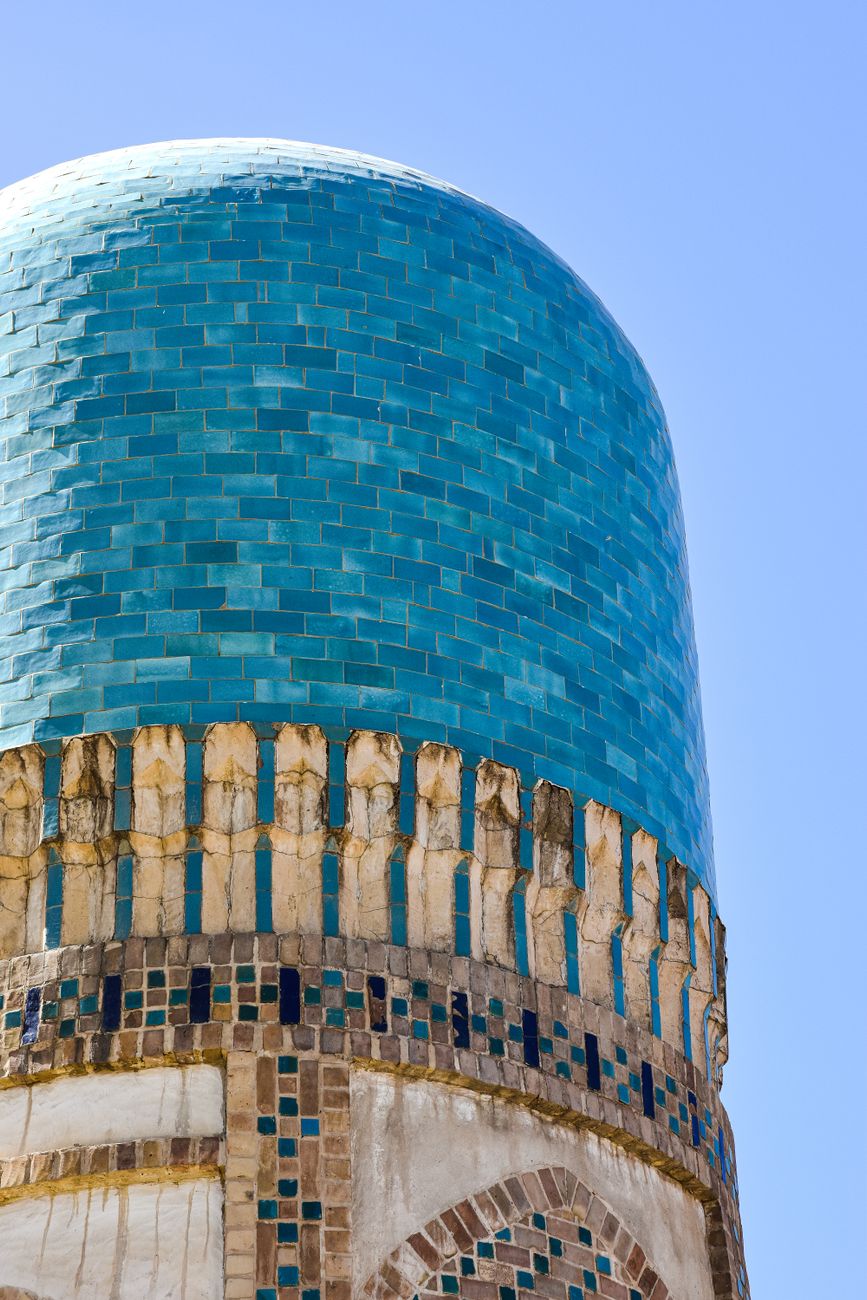
  • Shot of a blue-tiled minaret from the Chor Minor Madrasa in Bukhara, Uzbekistan · Shakhrisabz, Uzbekistan© AXP Photography
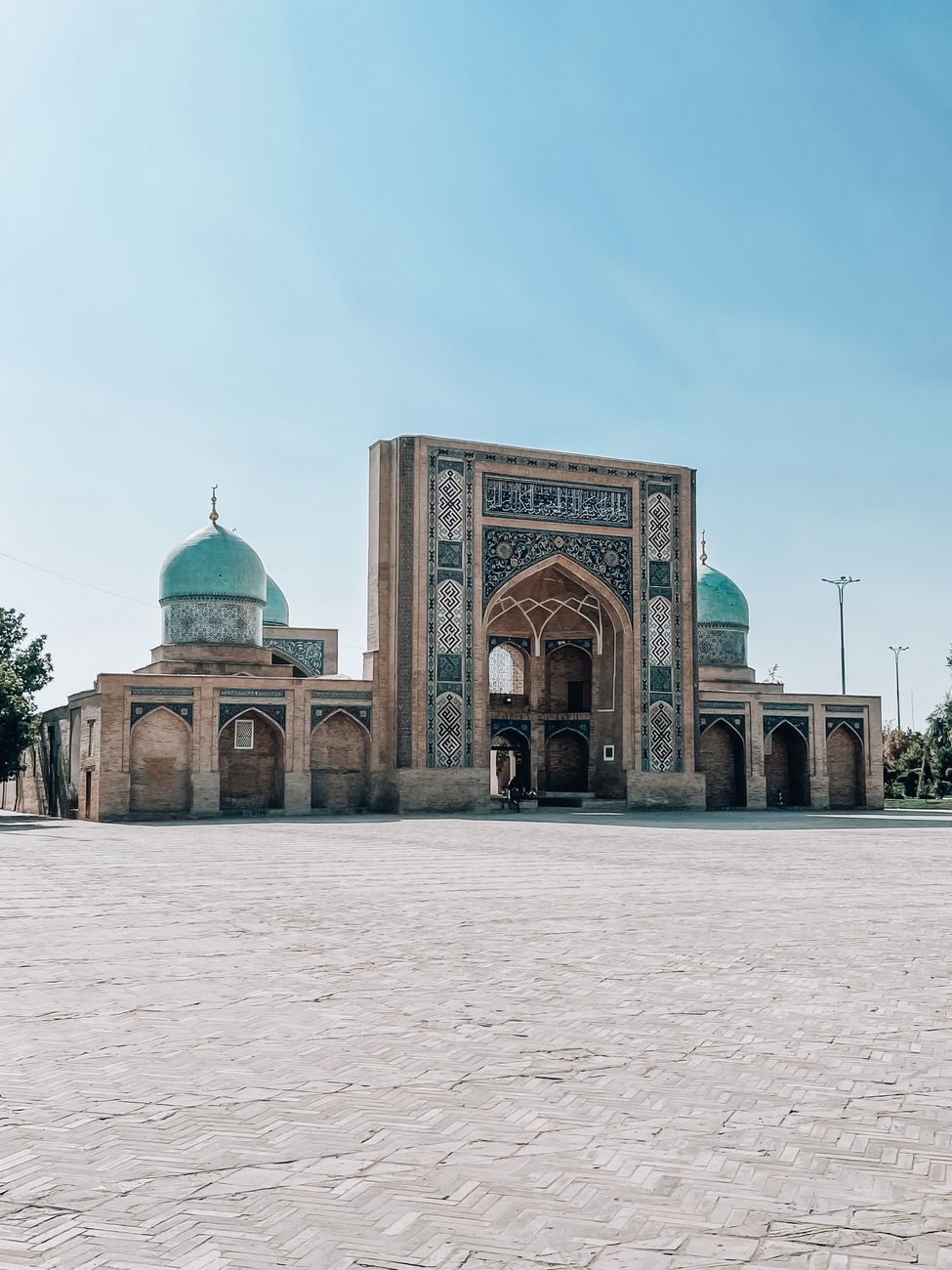
  • Chor Minor Madrasa in Tashkent with iconic turquoise domes and intricate tile work · Shakhrisabz, Uzbekistan© Nicole Ashley Rahayu Densmoor
  • Architecture of a historic madrasa in Bukhara, reflecting Uzbek heritage and design · Shakhrisabz, Uzbekistan© Rüveyda Akkaya
  • Historic Gijduvon Madrasa amidst green foliage in Bukhara, Uzbekistan · Shakhrisabz, Uzbekistan© Mavluda Tashbaeva
  • Beautifully detailed facade of Mir-i-Arab Madrasa in Bukhara under clear blue skies · Shakhrisabz, Uzbekistan© Doğukan Akbaş
  • View of a historical madrasa with iconic blue dome in Bukhara, Uzbekistan · Shakhrisabz, Uzbekistan© Ahmet Hilmi Ermiş
  • Stunning architecture of a historic madrasa in Bukhara, Uzbekistan, showcasing vibrant blue tiles · Shakhrisabz, Uzbekistan© Ahmet Hilmi Ermiş
Ready to visit Shakhrisabz?

Have us design the trip around it

Tell us what you'd like to see and the dates you can travel — a local specialist will build a plan around Shakhrisabz and your interests.

Plan my trip