Skip to content

Tashkent

Central Asia's most cosmopolitan capital

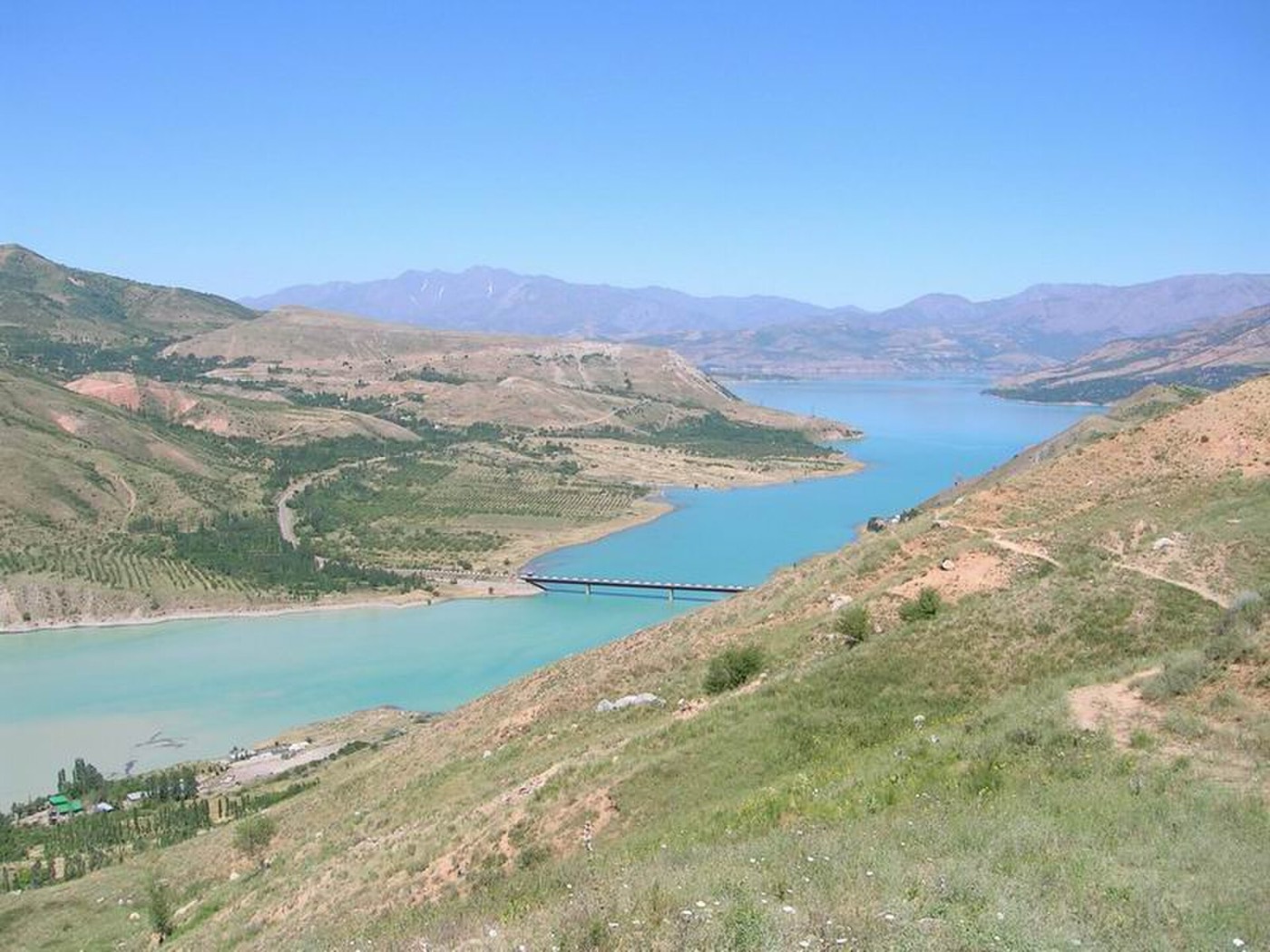
Tashkent·Chirchiq Valley
About Tashkent

Central Asia's most cosmopolitan capital

Tashkent is where most journeys begin: a mid-century modern capital of tree-lined avenues, tiled metro stations that double as museums, and a compact old town clustered around the Hazrat Imam complex. Give it a day at the start of the trip to reset from long-haul travel, ride Central Asia's first underground, and eat some of the country's best plov at the Central Asian Plov Center.

Quick facts
Founded
c. 2nd century BCE (as Chach)
Population
~3.0 million (2024, largest in CA)
Metro opened
1977 · first in Central Asia
Metro lines
4 lines, 50+ stations
1966 earthquake
Magnitude 5.2 · rebuilt from scratch
Elevation
455 m
The story

A short history of Tashkent

The oasis that became Tashkent has been inhabited for over 2,000 years — first as the Sogdian-Turkic town of Chach, then as Shash in early Islamic sources, then as Binkath under the Samanids. It sits at the junction of the western Tian Shan foothills and the fertile Chirchiq valley — a natural caravan stopover on the route from Fergana west toward Samarkand and Bukhara.

Genghis Khan sacked the city in 1219. It was rebuilt, changed hands between Timurids, Shaybanids and the Kokand Khanate, and was seized by Russian forces in 1865. Under the Russian empire and then the Soviet Union it became the largest city in Central Asia — an industrial and administrative capital with wide boulevards, Russian-style apartment blocks and, from 1977, the first underground metro anywhere between Moscow and Beijing.

A magnitude 5.2 earthquake in April 1966 destroyed most of the old city. Reconstruction was rapid — the Soviet Union sent workers and architects from every republic — and gave Tashkent much of its current mid-century modern character. The historic Hazrat Imam complex, one of the few pre-quake survivors, still holds the 7th-century Uthman Quran, one of the four oldest surviving Qurans in the world.

Places to visit

What to see in Tashkent

A curated list of the sights that matter, with a note on when to go and what most visitors miss.

Working market

Chorsu Bazaar

A 300 m² blue-tiled dome — Central Asia's largest single-dome market — over a bazaar that has occupied this site for at least 900 years. Under one roof: spices, dried fruit, plov cauldrons, freshly-butchered lamb, sturgeon caviar, hand-forged Chust knives.

Tip · The plov stalls upstairs are lunchtime-only; ask for 'osh' from the man with the flat cap and the biggest cauldron.

Islamic heritage

Hazrat Imam complex

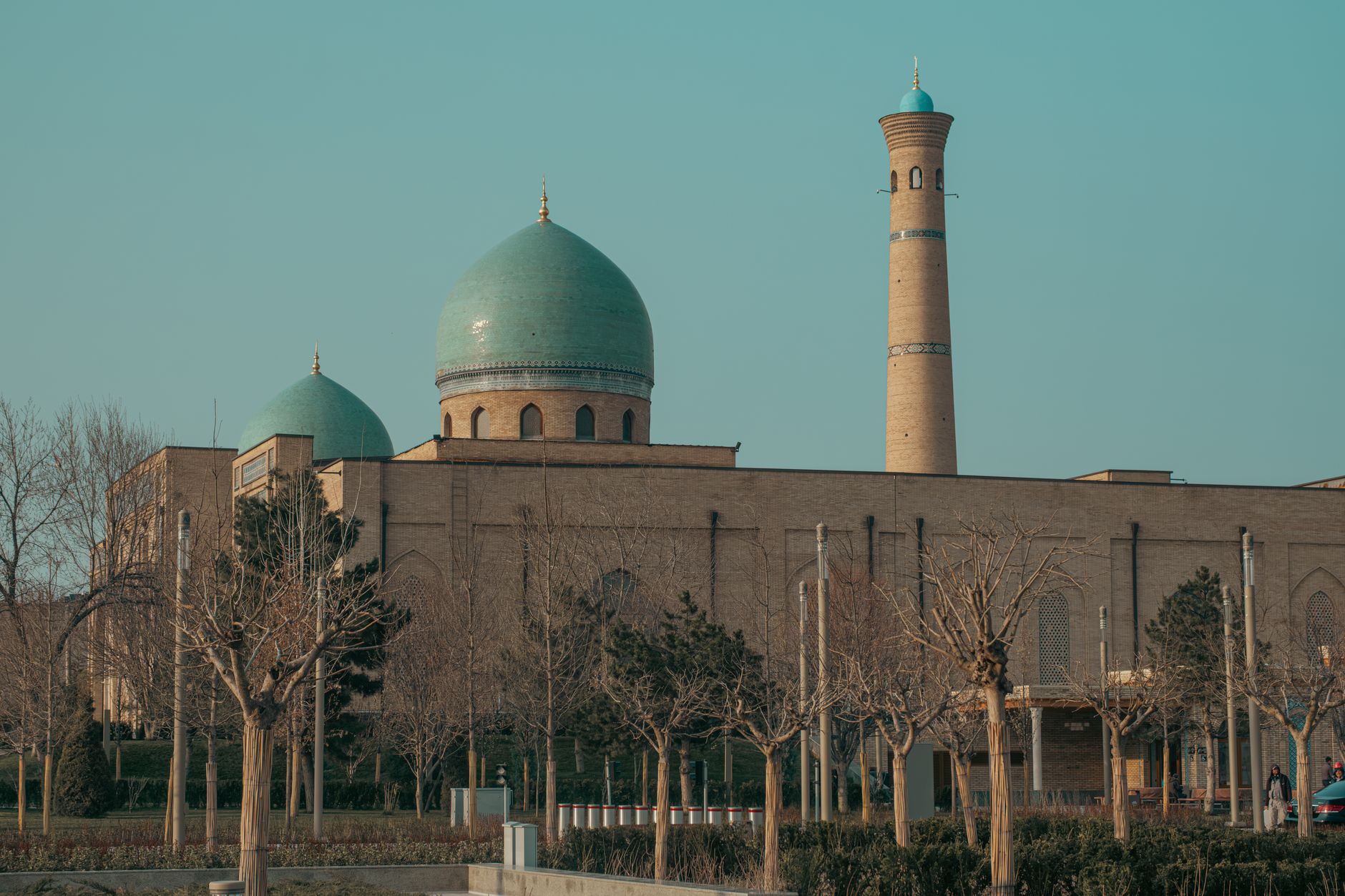
The centre of Tashkent's old town: the 16th-century Barak-Khan Madrasa, the modern Hazrat Imam Mosque, and the Muyi Mubarak library holding the 7th-century Uthman Quran — one of the four oldest surviving Qurans in the world, on public display.

Underground art

Tashkent Metro

Central Asia's first metro (1977), decorated like a subterranean museum: mosaic murals, Soviet-era chandeliers, marble columns, station-by-station themes (Kosmonavtlar, Alisher Navoi, Pakhtakor). Photography was illegal until 2018.

Tip · Buy a paper ticket at any station kiosk (1,400 UZS, ~$0.11) and ride the whole loop. Chilonzor, Kosmonavtlar, Pakhtakor and Alisher Navoi are the most photogenic.

Museum + house

Applied Arts Museum

Housed in the former mansion of a 19th-century Russian diplomat — a carved wooden ceiling, gilded arches, mother-of-pearl inlays and a comprehensive collection of Uzbek craft: ikat silks, ceramics, embroidery, khiva rugs, silver jewellery.

Restaurant

Central Asian Plov Center

Thirty cauldron-sized woks starting at 6 am; by 3 pm the day's 12,000 portions are sold. The definitive Tashkent-style plov — with chickpeas, a boiled egg on top, and lamb tail fat as cooking oil. On Ergashev Street near the TV tower.

Civic centre

Amir Timur Square

The city's ceremonial heart — a wide park with a mounted Timur statue at its centre, the Hotel Uzbekistan (Soviet brutalist) on one side and the Amir Timur Museum on the other. Evening promenade essential.

Post-Soviet plaza

Independence Square (Mustaqillik Maydoni)

Formerly Lenin Square; now dominated by the golden Statue of Independence and a series of grand modernist fountains. Backdrop for state ceremonies.

Modern mosque

Minor Mosque (Tashkent)

A gleaming white 2014 mosque on the Ankhor canal in western Tashkent — Uzbekistan's largest working mosque, capacity 2,400. An excellent example of contemporary Uzbek Islamic architecture (traditional forms, modern materials).

Little-known facts

Facts about Tashkent you won't find elsewhere

  1. Tashkent's metro was the only underground railway in Central Asia until Almaty's opened in 2011 — a 34-year monopoly.

  2. The Uthman Quran in Tashkent's Hazrat Imam complex is one of the four oldest surviving Qurans in the world, likely from the 7th century CE — a UNESCO Memory of the World inscription.

  3. The April 1966 Tashkent earthquake was so destructive (roughly 300,000 people made homeless) that the Soviet Union sent construction brigades from every republic to rebuild. Many neighbourhoods are still named after the delegating cities.

  4. The al-Bukhari Institute of Oriental Studies in Tashkent holds around 25,000 Central Asian manuscripts — one of the world's largest such collections and larger than the Vatican Library's Arabic manuscript collection.

  5. Tashkent has more UNESCO Memory of the World inscriptions per capita than any Central Asian city, thanks in large part to that Institute.

  6. Photography inside Tashkent metro stations was banned by the government until June 2018 — one of the first small reform-era easings under President Mirziyoyev.

Plan the visit

How to visit Tashkent

Getting there

Tashkent International Airport (TAS) is the country's main hub — direct flights from Frankfurt, Istanbul, Dubai, London, New York (seasonal), Seoul, Tokyo. Airport is 20 minutes by taxi to the centre; Yandex Go app works well and is cheap.

How long to stay

One or two nights is enough for most travellers on their way to Samarkand/Bukhara. Longer if you want to spend proper time at Chorsu, the museums, and take a day trip to Chimgan or Charvak.

When to visit

Best in April–May (blossom, 18–28 °C) and September–October (harvest, warm days). Summer is 32–38 °C, winter is 0–5 °C with occasional snow. Air quality is worst in winter due to thermal-inversion smog; the city is investing in cleaner transport but January–February can be hazy.

Photo gallery

A curated set of 10 photographs of Tashkent — architecture, streets, landscape and everyday life on the ground.

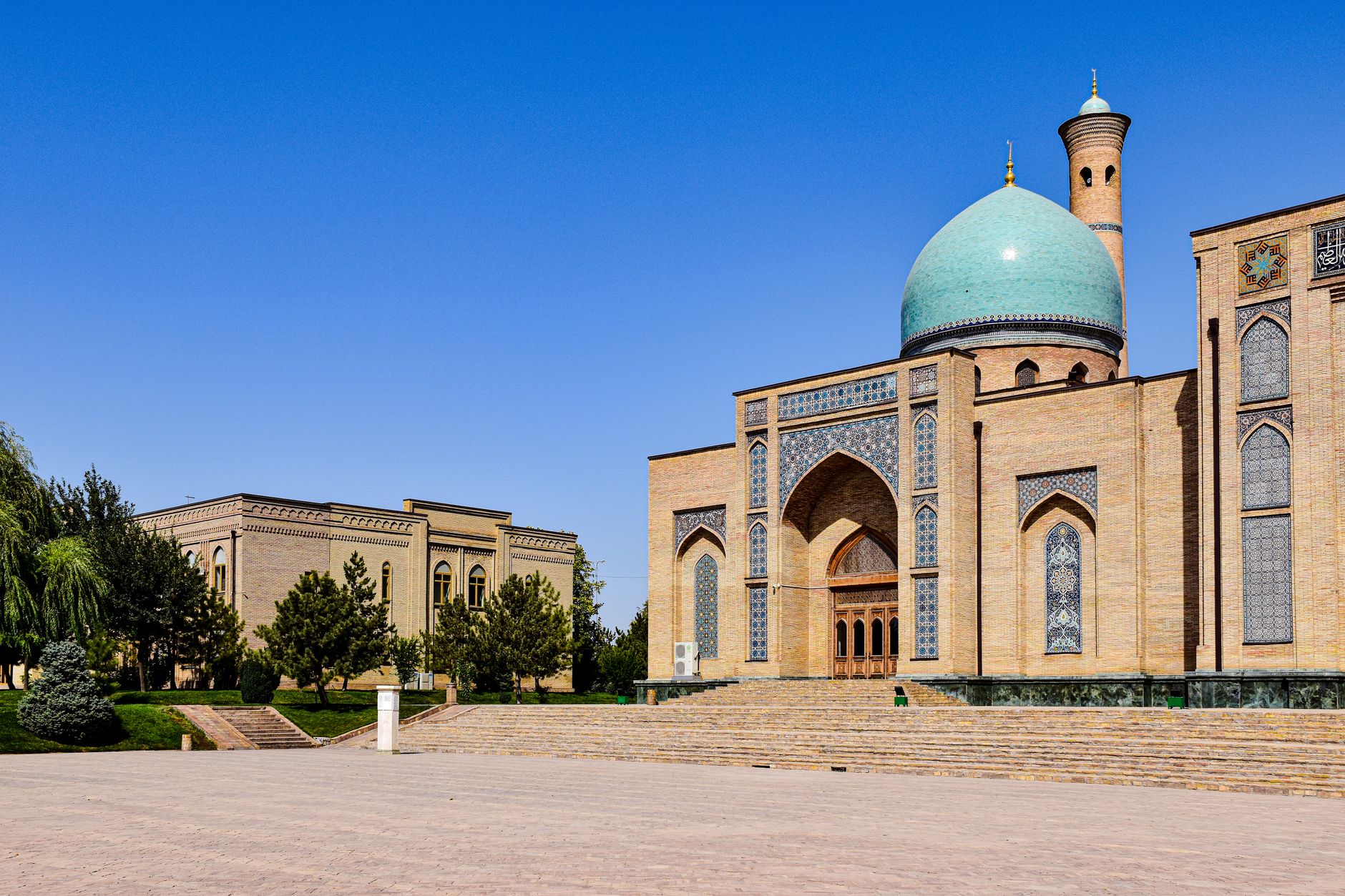
  • Historic mosque with iconic blue domes and a towering minaret in Tashkent, Uzbekistan© Talha Kılıç
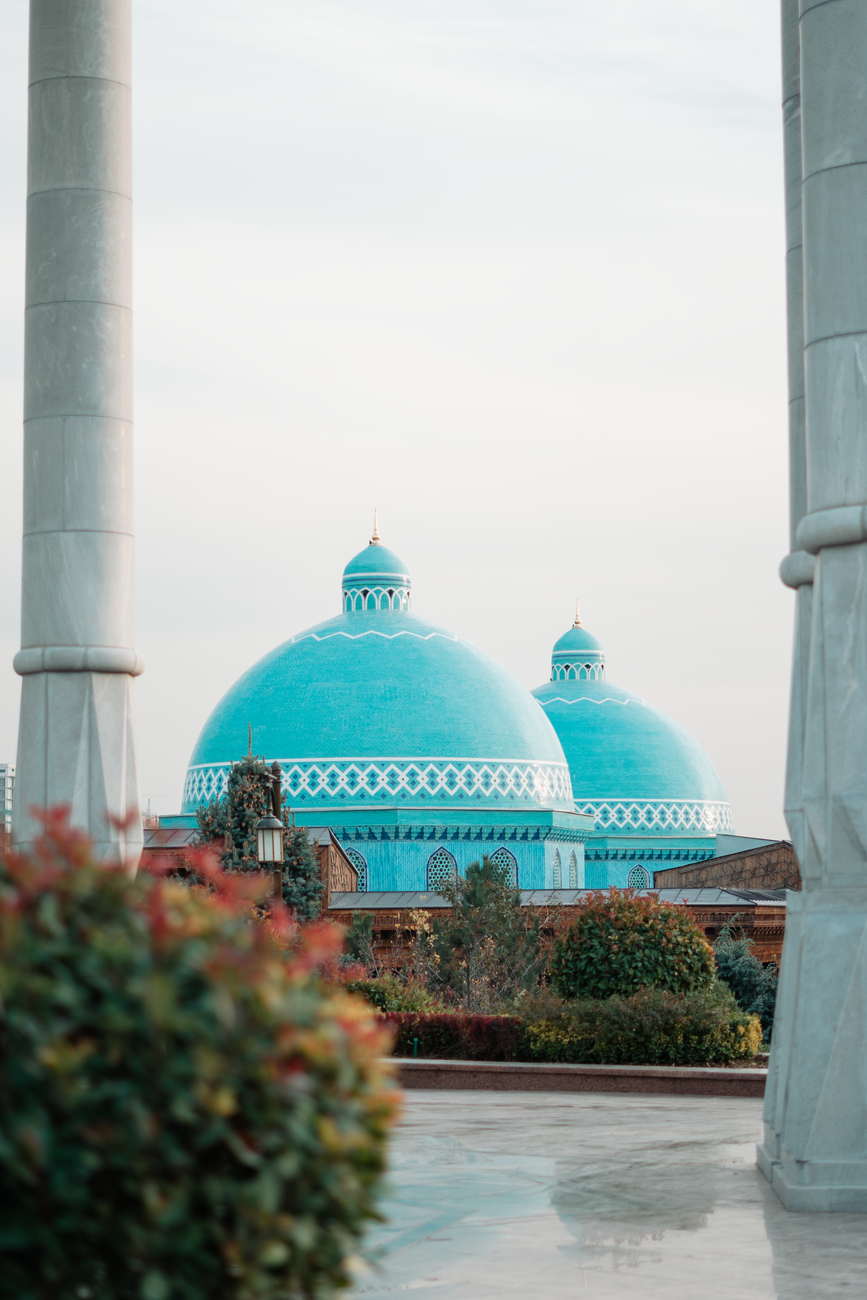
  • View of the blue domes of a mosque in Tashkent, Uzbekistan, framed by columns© Asrorbek O‘ktamjonov
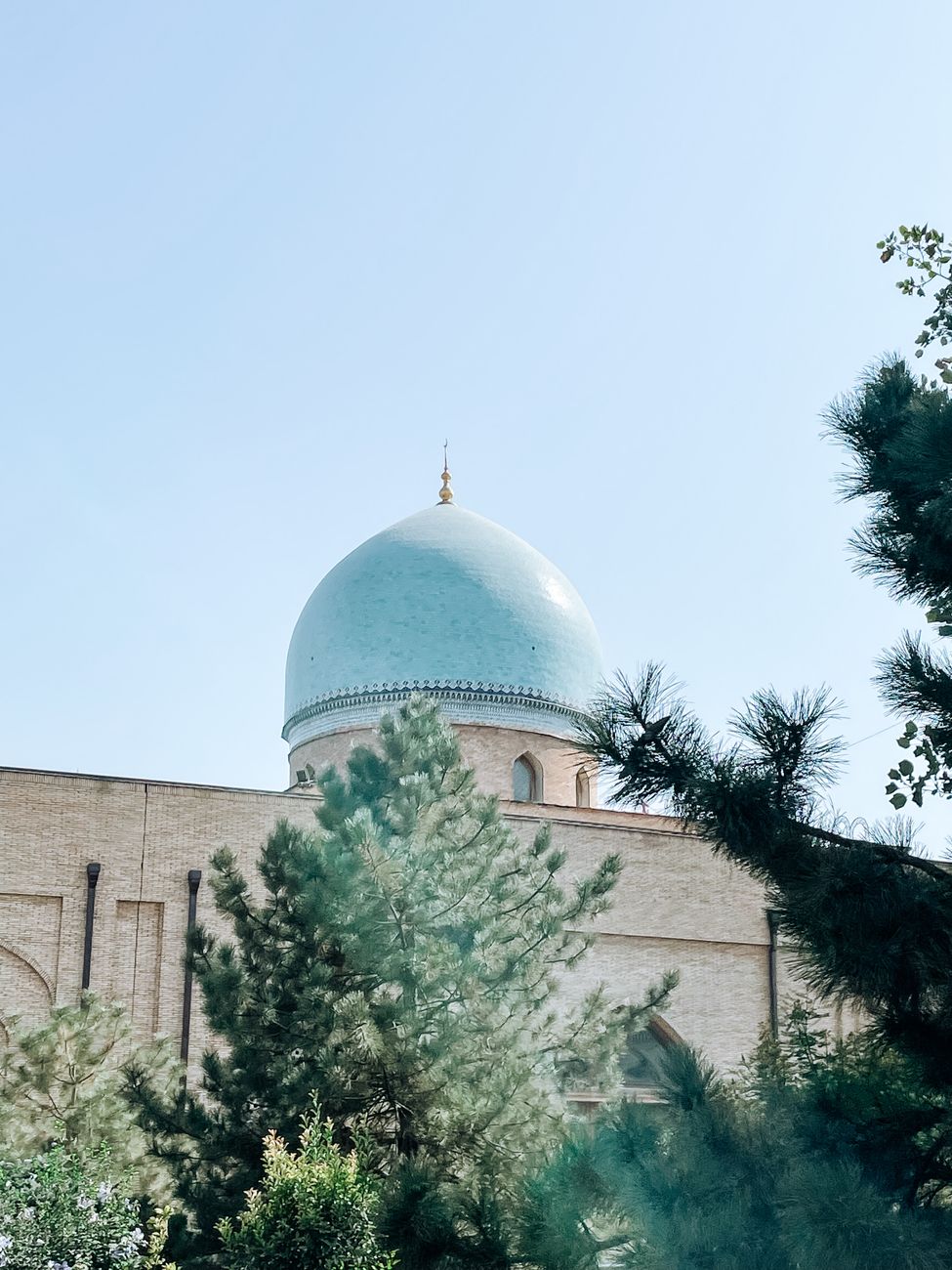
  • View of a mosque with a blue dome amid lush greenery in Tashkent, Uzbekistan© Nicole Ashley Rahayu Densmoor
  • Stunning architecture of a mosque in Tashkent, Uzbekistan under a clear blue sky© AXP Photography
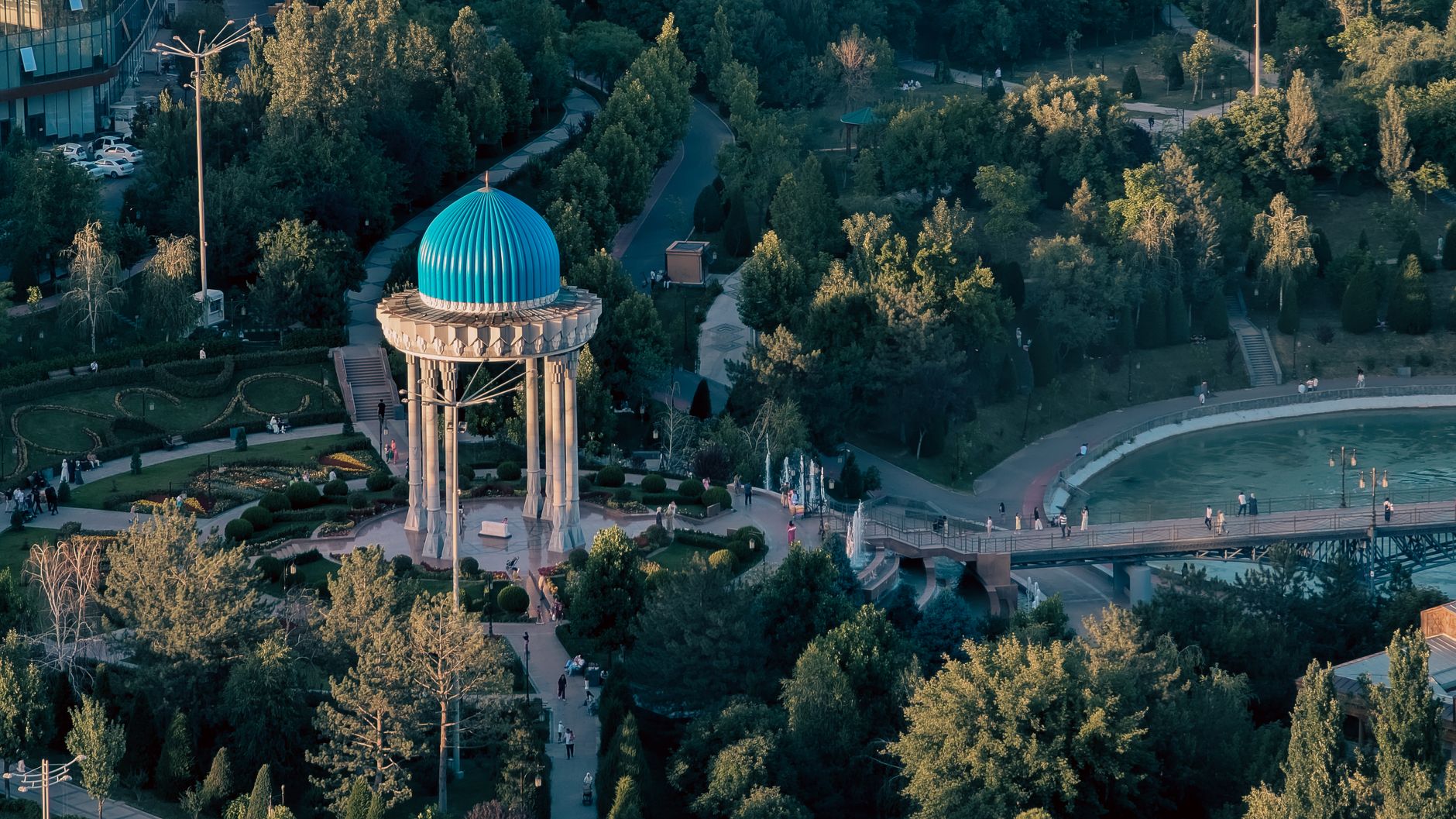
  • Aerial photo of a park in Tashkent, Uzbekistan highlighting its architecture and natural beauty© Zokir
  • Architectural building with columns in Tashkent, Uzbekistan, captured on a sunny day© Ahmet Hilmi Ermiş
  • View of a monumental structure with columns in Tashkent, Uzbekistan© Mustafa Kurt
  • Daytime aerial view of Tashkent skyline featuring modern buildings and historic architecture, Uzbekistan© Zokir
  • A striking view of the Hotel Uzbekistan facade under a clear blue sky · Tashkent, Uzbekistan© Nicole Ashley Rahayu Densmoor
  • Exterior of the Amir Timur Museum featuring a striking turquoise dome in Tashkent, Uzbekistan© AXP Photography
Ready to visit Tashkent?

Have us design the trip around it

Tell us what you'd like to see and the dates you can travel — a local specialist will build a plan around Tashkent and your interests.

Plan my trip
Also in Tashkent

Pair it with